Kuala Lumpur's small business sector employed roughly 2.1 million workers across micro and small enterprises in the Klang Valley as of the first quarter of 2026, according to figures released by the Department of Statistics Malaysia in May. That number tells you something the glossy storefronts in Bukit Bintang and the artisan coffee counters in Taman Tun Dr Ismail do not: this economy runs on people operating on very thin margins, and when costs shift, consumers feel it first.
The timing matters. Global commodity disruptions — compounded by energy instability out of Russia and a volatile Middle East following the death of Iran's Supreme Leader — have pushed palm oil, flour and imported packaging materials to multi-month highs at Kuala Lumpur wholesale markets. At the Pudu Wholesale Market, a 25-kilogram sack of wheat flour that cost RM52 in January 2026 was trading at RM61 by late June. Small food businesses cannot absorb that silently. When you pay RM14 for a plate of char kuey teow in Petaling Street today versus RM11 eighteen months ago, that arithmetic has a supply chain behind it.
Who Is Actually Running These Businesses
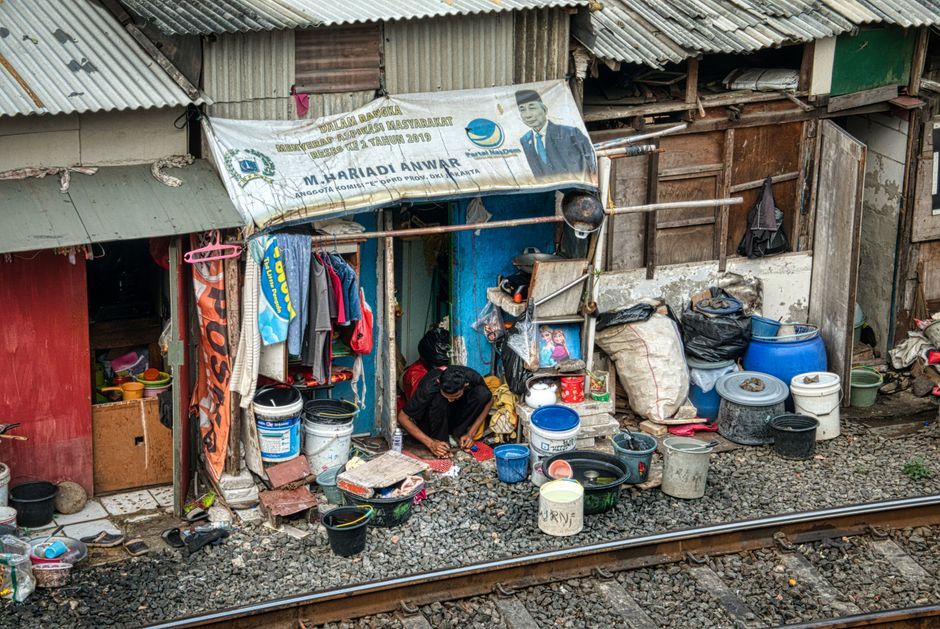
The popular image of the KL entrepreneur — young, Instagram-ready, serving single-origin coffee in a heritage shophouse — obscures the far larger reality. The majority of the city's small businesses are informal-sector operators: the nasi lemak stall at the Chow Kit roadside market that opens at 5 a.m., the seamstress behind a row of hawker stalls in Wangsa Maju, the provisions shop near the Masjid India textile district that has served the same neighbourhood for three decades. These operators rarely access formal credit. A 2025 survey by SME Corp Malaysia found that 67 percent of micro-businesses with fewer than five employees had never successfully applied for a bank loan.
Residents who care about neighbourhood character should pay attention to lease renewals. Along Jalan Telawi in Bangsar, several independent café operators and a well-known independent bookshop faced rent increases of between 25 and 40 percent when their three-year leases came up in early 2026. Some absorbed the hit. Others quietly shuttered. The storefronts that replaced them — a bubble tea chain, a fast-fashion outlet — represent a pattern familiar to any city that has watched gentrification price out the businesses that gave a district its identity.
Kuala Lumpur City Hall launched its Gerai KL programme in March 2025 specifically to subsidise hawker stall rental in designated heritage zones, capping monthly stall fees at RM300 in areas including the Masjid India bazaar corridor and sections of Jalan Petaling. As of April 2026, the programme covered 1,847 registered operators. Advocates say that number needs to be at least double to meaningfully slow displacement.
What Residents Can Do — and Should Know
For everyday residents, understanding the economics of small business is not an abstract exercise. Paying by card at a small kopitiam is not always neutral: many operators on Grab Merchant or ShopeeFood pay platform commissions of 20 to 30 percent per order, meaning a RM25 delivery meal may net the cook less than RM17. Choosing to collect your own order, or eating in, changes that equation substantially.
The Kuala Lumpur entrepreneurship support body, GIATMARA, runs monthly financial literacy workshops for micro-business owners at its Jalan Tun Razak training centre. The July 2026 cohort, which closed registration last week, drew 340 applicants for 80 places — a signal that demand for structured business support among KL's small operators far exceeds current supply.
The practical advice for residents is straightforward. Frequent your neighbourhood businesses with enough regularity that they can plan inventory. Ask whether a business is on a platform before you order through one. Check whether the stall or shop you like operates under the Gerai KL scheme — if it does, the operator has at least some protection. And understand that a price increase at your favourite warung is almost never greed. It is almost always arithmetic.