Cost of Living in Kuala Lumpur 2026: Australian Expat Guide
Kuala Lumpur is one of Southeast Asia's most practical and affordable expat cities. Here is what it actually costs to live in KL as an Australian expat in 2026.
Accommodation
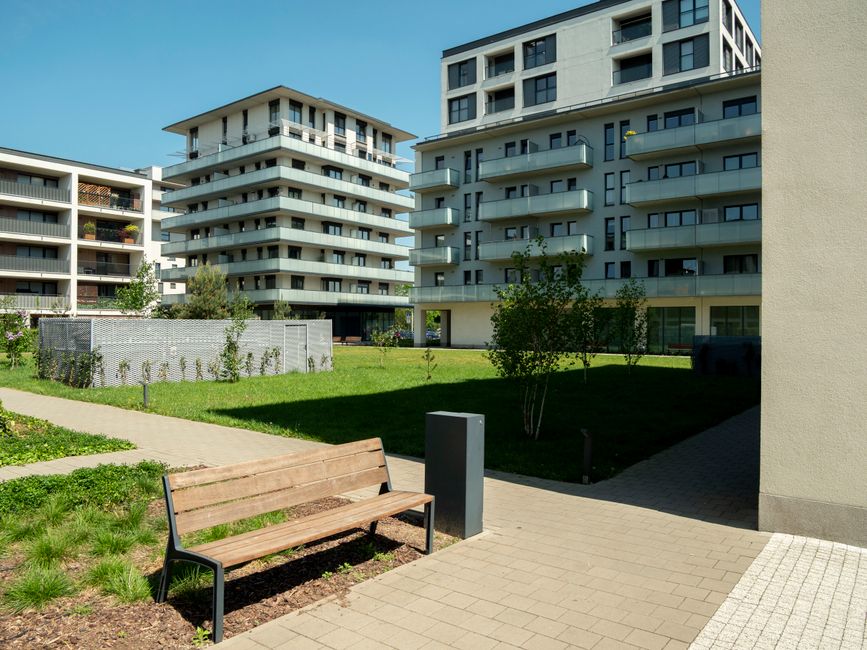
Kuala Lumpur's expat residential market centres on the Golden Triangle and KLCC (the area around the Petronas Twin Towers), the upscale residential areas of Bangsar and Damansara Heights, the diplomatic enclave of Ampang, and the increasingly popular Mont Kiara area (a gated condo district north of the city with a large expat community, international schools, and Western-oriented retail). A furnished 2-bedroom condominium in Mont Kiara or KLCC costs approximately MYR 3,500-7,000 per month (approximately AUD 1,100-2,200). Larger 3-bedroom condominiums with pool and gym in Mont Kiara (the primary family expat area, close to the Garden International School and Cempaka International School) cost MYR 5,000-9,000 per month. In Bangsar, studio and one-bedroom apartments cost MYR 2,000-4,000 per month. KL condominiums in the expat market are almost always furnished with air-conditioning, parking, and building security and amenities included in the rent.
Groceries and Eating Out
KL's food is one of its defining pleasures and one of its greatest value propositions. The hawker centre and kopitiam (coffeeshop) food culture means an outstanding nasi lemak (coconut rice with sambal, anchovies, peanuts, and egg), char kway teow (stir-fried flat rice noodles), roti canai (flaky flatbread with dhal), or laksa (spicy noodle soup) costs MYR 5-12 (approximately AUD 1.50-3.80). Local restaurant meals cost MYR 15-30; mid-range restaurants in Bangsar and TTDI cost MYR 30-60 per person; Western restaurants in KLCC and Mont Kiara cost MYR 60-120 per person. Cold Storage and Village Grocer (the premium expat supermarkets) stock Australian products; a weekly grocery basket costs approximately MYR 300-500 (approximately AUD 95-160). Malaysia's duty-free alcohol prices are higher than in Australia; Duty Free outlets near the Thai border and in Langkawi offer significantly cheaper options.
Transport
KL has a reasonable public transport network (LRT, MRT, Monorail, and KL Sentral as the hub for intercity trains and the KLIA Ekspres airport rail link), though the network has coverage gaps in some expat areas. Grab is the primary transport app and is very inexpensive — a typical cross-KL journey costs MYR 10-25 (AUD 3-8). Most families with children own cars; the road infrastructure in KL is generally good outside peak hours and petrol is heavily subsidised (approximately MYR 2.05 per litre for RON 95 at 2024 subsidised rates). Traffic congestion in the inner city is significant during morning and evening peaks.
Malaysia My Second Home (MM2H) Programme
Malaysia's MM2H programme allows qualifying foreigners to live in Malaysia on a 5-year (renewable) multiple-entry social visa. The programme was revised in 2021 with significantly higher financial requirements: offshore income of at least MYR 40,000 per month (approximately AUD 12,700), liquid assets of at least MYR 1.5 million (approximately AUD 480,000), and fixed deposit in a Malaysian bank of at least MYR 1 million (approximately AUD 320,000). These requirements make MM2H primarily accessible to high-net-worth retirees and wealthy individuals. For employed professionals, standard work visas (Employment Pass, Professional Visit Pass) require employer sponsorship. The Sarawak and Sabah state governments offer separate MM2H variants with lower financial thresholds.
Typical Monthly Budget for an Australian Expat in KL
A single Australian professional in a 2-bedroom condo in Mont Kiara should budget approximately AUD 2,800-4,200 per month: rent AUD 1,200-2,000, food (hawker + supermarkets + restaurants) AUD 500-800, transport AUD 150-250, health insurance AUD 100-200, utilities AUD 150-200, entertainment AUD 300-500, personal expenses AUD 200-300. KL is an outstanding value proposition for Australian expats seeking a comfortable, modern Southeast Asian base.
This article was compiled by AI and screened before publishing. See our editorial standards.