culture
Islamic Arts Museum Malaysia: Southeast Asia's largest museum of Islamic art
More than 10,000 artefacts across a dozen galleries beside the Lake Gardens.
Listen in English · 4 min
How we reported this
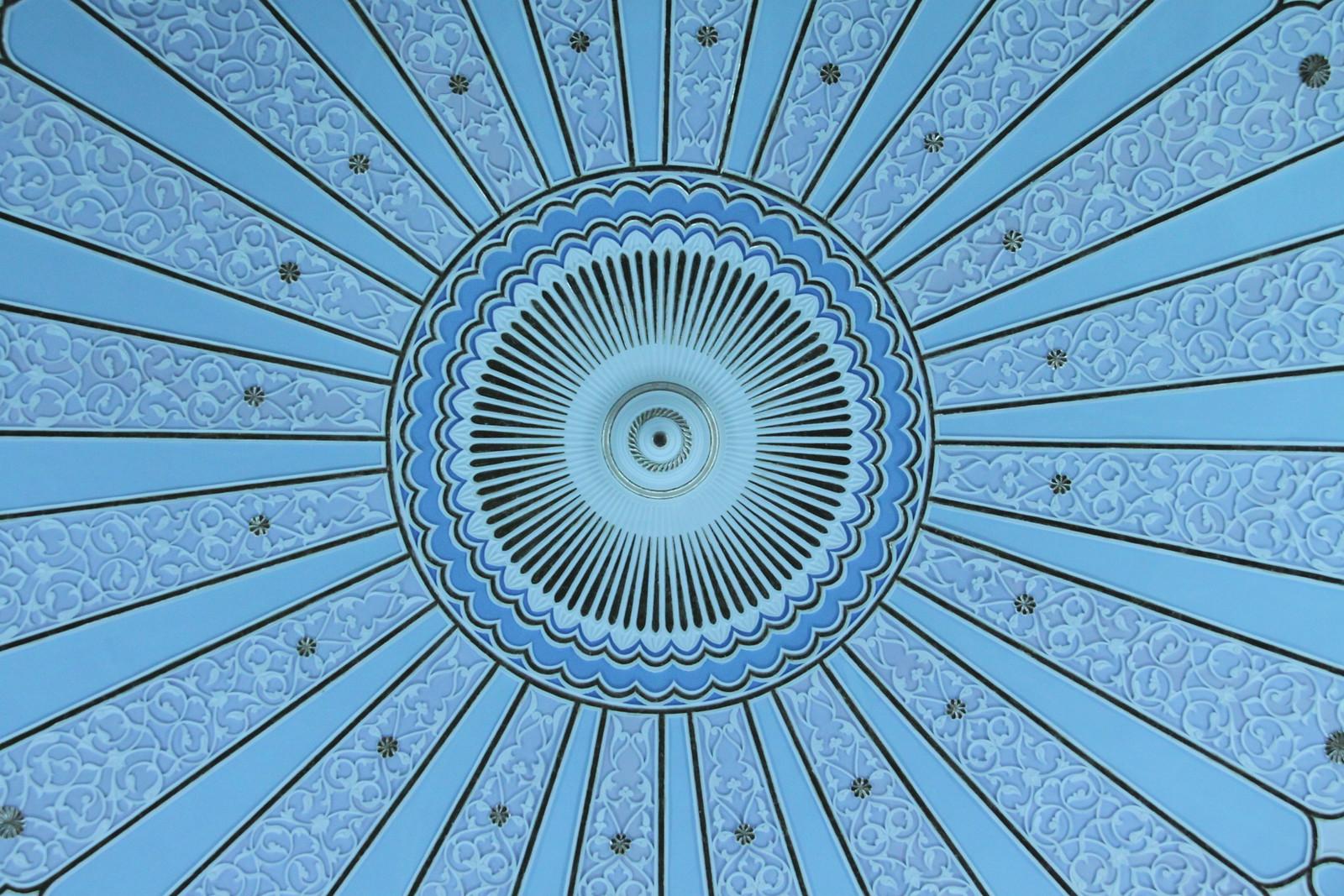
The Islamic Arts Museum Malaysia, or IAMM, is in central Kuala Lumpur near the Lake Gardens. It opened in December 1998 and became Southeast Asia’s largest museum of Islamic art. Its setting beside the gardens and close to the National Mosque makes it a natural part of a day focused on museums, architecture and the city’s cultural institutions.
The museum occupies about 30,000 square metres and houses more than 10,000 artefacts. It also has a collection of Islamic art books in the Scholar’s Library. Those two collections serve different purposes: the objects make the galleries visual and material, while the library supports deeper study of Islamic art and its histories.
The permanent collection is arranged across 12 galleries. Themes include Architecture, Arms and Armour, Ceramics, China, Coin and Seal, India, Jewellery, Living With Wood, Malay World, Metalwork, Qur’an and Manuscript, and Textiles. The range means a visit can move from small objects to large architectural ideas without being limited to one medium.
The collection spans around 1,400 years of history. Its displays range from tiny pieces of jewellery to one of the world’s largest scale models of the Masjid al-Haram, the Sacred Mosque, in Mecca. The contrast in scale is one way to understand the museum’s approach: detail and architecture can sit within the same institution.
Asia receives special emphasis, including China, Southeast Asia, the Malay World and India. The collection also includes works from the Ottoman, Safavid and Mughal empires. That geographical spread makes the museum useful for visitors who want to see connections across Islamic art rather than treating the subject as belonging to one place alone.
The galleries can be approached by theme. A visitor interested in manuscripts may begin with Qur’an and Manuscript, while someone drawn to buildings can look for Architecture. Ceramics, textiles, jewellery and metalwork offer other starting points. It is not necessary to cover every gallery in one sitting; choosing a few themes can make the visit more manageable.
IAMM pairs naturally with the National Mosque and Lake Gardens. The nearby setting allows a museum visit to sit alongside a garden walk, although visitors should allow for the weather and for the time needed to look carefully at the objects. Check the museum’s current visitor information before travelling.
The museum’s value lies in the range of its collection and the connections between its galleries. A small piece of jewellery, a manuscript, a textile and a model of a sacred building can each provide a different entry into the long history of Islamic art across Asia and beyond.
For a considered cultural day, start with the museum’s permanent galleries, choose themes that hold your attention and then continue towards the Lake Gardens or National Mosque. IAMM offers Kuala Lumpur a substantial place to encounter Islamic art through objects, books, architecture and regional history.
That approach suits a Kuala Lumpur visit. Practical details help readers plan Kuala Lumpur time carefully and keep a Kuala Lumpur visit grounded.