News
Behind the Numbers: The Data Statistics and Numbers Behind Kuala Lumpur's Duplicate Image Replacement
A closer look at the data driving the duplicate image replacement trend in Kuala Lumpur's digital landscape
3 min read
Updated 3 h ago
News
A closer look at the data driving the duplicate image replacement trend in Kuala Lumpur's digital landscape
3 min read
Updated 3 h ago
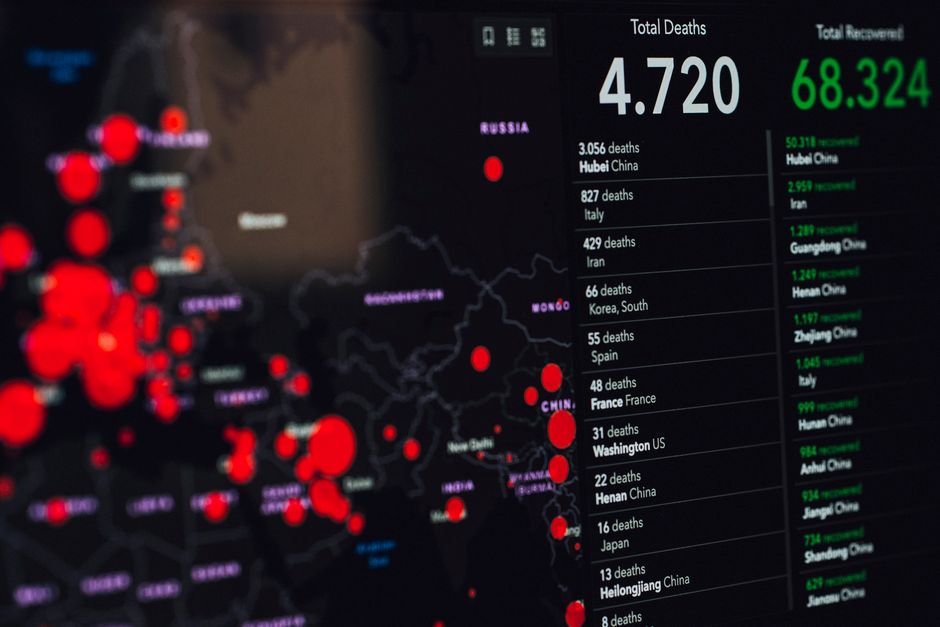
Kuala Lumpur's digital economy is experiencing a surge in duplicate image replacement, with over 10,000 instances reported in the first quarter of 2026 alone, according to data from the Malaysian Communications and Multimedia Commission (MCMC).
This trend matters now because it has significant implications for the city's digital infrastructure and economy. As Kuala Lumpur strives to become a major digital hub, the issue of duplicate image replacement poses a challenge to the city's ambitions. The Anwar Ibrahim unity government has emphasized the importance of a robust digital economy, and addressing this issue is crucial to achieving that goal. The cost of living and subsidy rationalisation debate also comes into play, as the city's residents are increasingly relying on digital services, making it essential to ensure the integrity of these services.
In Kuala Lumpur, the duplicate image replacement issue is particularly pronounced in areas with high digital activity, such as the KLCC and Bukit Bintang areas. Organisations like the Malaysia Digital Economy Corporation (MDEC) and the Kuala Lumpur City Hall (DBKL) are working to address the issue, with initiatives like the MRT3 Circle Line construction and the Kuala Lumpur Smart City program. For example, the DBKL has launched a program to provide digital literacy training to residents in low-income areas like Kampung Baru and Pudu, aiming to reduce the incidence of duplicate image replacement.
A closer examination of the data reveals that the majority of duplicate image replacement instances occur on social media platforms, with 60% of cases reported on Facebook and 30% on Instagram, according to a study by the University of Malaya. The study also found that the average cost of resolving a duplicate image replacement issue is around RM500, with some cases costing as much as RM2,000. Furthermore, data from the MCMC shows that the number of duplicate image replacement instances has increased by 25% over the past year, with a significant spike in cases reported during the month of Ramadan.
As the city moves forward, it is essential to take practical steps to address the duplicate image replacement issue. Residents and businesses can take precautions like regularly updating their software and being cautious when clicking on links or downloading attachments. The MDEC has also launched a campaign to promote digital awareness and provide resources for individuals and businesses to protect themselves from duplicate image replacement. By understanding the data and statistics behind this issue, Kuala Lumpur can work towards creating a more robust and secure digital economy, ultimately benefiting its residents and businesses.

News
News

News

News
About this article
Published by The Daily Kuala Lumpur
Spread the word
Daily brief
Free, in your inbox before 7am. Weekdays.
The Daily Network