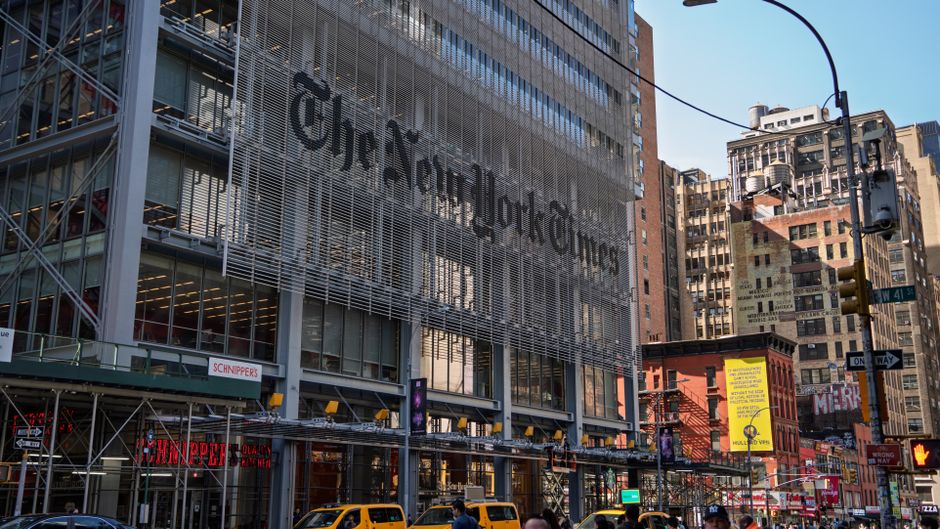
Search for a condominium in Chow Kit or a terrace house in Puchong on any of Malaysia's major property portals today and you will likely encounter the same facade photograph staring back at you from four different listings. Different prices. Different agents. Same image. This is the duplicate image problem, and it has quietly eroded trust in the country's online property market for years — a situation now drawing sharper scrutiny as the government pushes its Malaysia Digital Economy framework and as housing affordability in the Klang Valley edges toward a crisis point.
The issue matters now because it sits at the intersection of two pressures the Anwar Ibrahim unity government cannot ignore. First, subsidy rationalisation has sharpened public sensitivity to price transparency; Malaysians are comparing numbers more carefully than they were in 2019. Second, MRT3 Circle Line construction corridors from Putrajaya Sentral to Titiwangsa have triggered a fresh wave of speculative listings along the alignment, flooding portals with duplicated stock photography and recycled floor-plan images that obscure genuine market intelligence.
A Decade of Shortcuts: How the Listings Problem Took Root
The roots go back to roughly 2013 and 2014, when iProperty, PropertyGuru Malaysia, and a clutch of smaller local aggregators all raced to build inventory. Developers were uploading images without watermarks. Agents copied them freely. Nobody mandated metadata tagging or image hashing. By 2016, the National House Buyers Association had begun fielding complaints from buyers in areas like Ara Damansara and Kepong who visited units expecting the bright, airy interiors shown online and found something quite different — or found the same unit listed at three different prices by three competing negotiators.
The real estate negotiator licensing framework, administered by the Board of Valuers, Appraisers, Estate Agents and Property Managers, requires registration but has historically said little about digital listing standards. A 2022 Consumer Research survey conducted by the Housing and Local Government Ministry found that property listing accuracy was among the top five consumer complaints in the digital services sector, though enforcement against specific portal operators remained patchy. Meanwhile, the high-density corridors around KLCC and Bukit Bintang — where luxury units are frequently re-listed by multiple sub-agents — became hotbeds for image recycling because the stakes per transaction are high and the temptation to reuse a polished developer render is obvious.
The Digital Economy Push and Why It Forces a Reckoning
Malaysia's MyDigital Blueprint, which targets 22.6 percent of GDP from the digital economy by 2025, has put pressure on every sector to clean up its data hygiene. Property portals are not exempt. In late 2024, the Communications and Digital Ministry began preliminary discussions with PropTech industry bodies about introducing image provenance standards — essentially requiring listings to carry cryptographic signatures linking photographs to the agent or developer who first uploaded them. Pilot discussions reportedly involved companies operating out of Technology Park Malaysia in Bukit Jalil, though no formal regulation has been gazetted.
The practical consequence of doing nothing is measurable. Analysts tracking transaction data in Shah Alam and Subang Jaya have noted that listings with duplicate or mismatched images receive fewer qualified enquiries and take longer to transact — distorting supply signals in a market where Bank Negara Malaysia's own financial stability reports have flagged affordability stress in the RM400,000 to RM700,000 segment that first-time buyers in the Klang Valley most need to navigate accurately.
For buyers, the advice from practitioners is blunt: cross-reference any listing on at least two separate platforms and perform a reverse image search before making an appointment. For the industry, the trajectory points toward mandatory image deduplication tools — technology that property portals in Seoul and London's Rightmove platform adopted years ago. Malaysia's portals have the technical capacity. What has been missing is a regulatory nudge strong enough to make compliance cheaper than inaction. With the digital economy agenda now a cabinet-level priority and the next wave of Klang Valley development tied directly to MRT3 catchment zones, that calculation may finally be shifting.