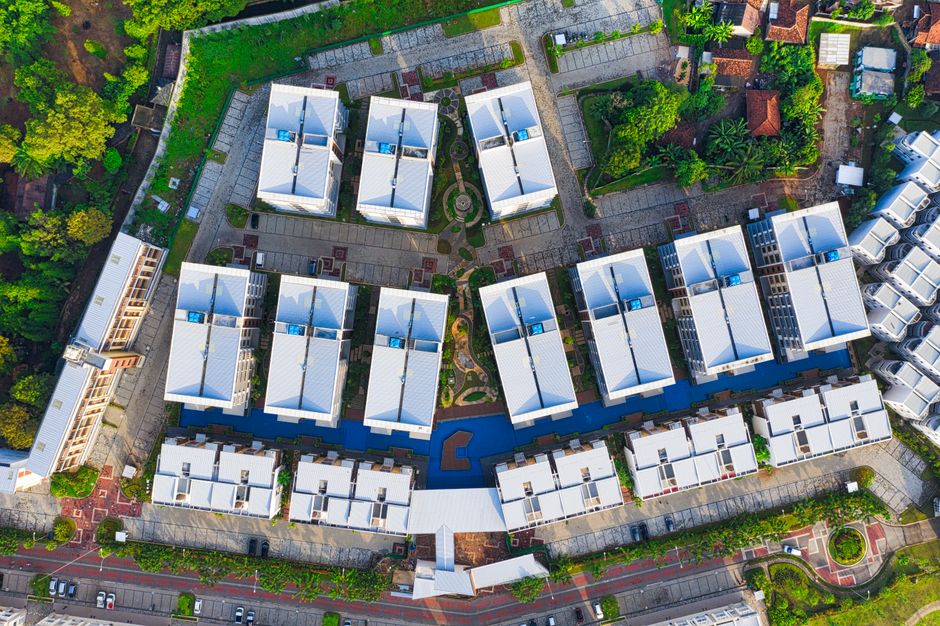
Kuala Lumpur's affordable housing shortage has reached a critical point, with the average price of a home in the Klang Valley now standing at RM450,000, more than 5 times the average annual salary of a resident. This key fact has significant implications for the city's low- and middle-income residents, who are struggling to find affordable housing options.
The current situation matters now because the Anwar Ibrahim unity government has pledged to address the issue of affordable housing as part of its broader efforts to tackle the cost of living crisis. With the cost of living in Kuala Lumpur increasing by 10% over the past year, according to data from the Department of Statistics Malaysia, the need for affordable housing has become more pressing than ever. The city's residents are looking to the government to provide solutions, and the upcoming budget will be closely watched for signs of progress on this issue.
In Kuala Lumpur, the affordable housing crisis is particularly acute in areas such as Puchong, Subang Jaya, and Cheras, where rapid urbanization and gentrification have driven up property prices. Organisations such as the Kuala Lumpur City Hall (DBKL) and the Selangor State Government are working to address the issue, with initiatives such as the Rumah Selangorku affordable housing program and the Kuala Lumpur City Plan 2020-2040. However, more needs to be done to address the scale of the problem, and residents are calling for greater investment in affordable housing and community development projects, such as the revitalization of the River of Life area and the development of the Kampung Baru neighborhood.
Affordability and Supply
According to data from the National Property Information Centre (NAPIC), the supply of affordable housing in Kuala Lumpur is currently insufficient to meet demand, with only 12,000 units of affordable housing available in the Klang Valley in 2022, compared to a demand of over 50,000 units. The average price of a home in Kuala Lumpur is also increasing, with a 15% rise in the past year alone, according to data from the Valuation and Property Services Department. This has significant implications for low- and middle-income residents, who are struggling to afford even the most basic of housing options. For example, a 700 sq ft apartment in the KLCC area now costs over RM600,000, while a similar unit in the Petaling Jaya area costs over RM400,000.
So what happens next? The key decisions ahead will be made by the government, which must balance the need for affordable housing with the need to stimulate economic growth and development. Residents are calling for greater investment in affordable housing and community development projects, as well as policies to control property speculation and protect the rights of low- and middle-income residents. The upcoming budget will be closely watched for signs of progress on this issue, and residents will be looking for concrete commitments to address the affordable housing crisis. In practical terms, this means that residents should be prepared to engage with the government and other stakeholders to advocate for their needs and push for solutions to the affordable housing crisis. This can involve participating in public consultations, joining community groups and advocacy organizations, and staying informed about developments in the housing market.