Politics
Kuala Lumpur City Council Approves Green Building Standards for New Commercial Developments
The mandatory energy efficiency rules will affect thousands of future office and retail projects across the federal territory, with developers flagging higher upfront costs that may be passed to businesses and tenants.
How we reported this
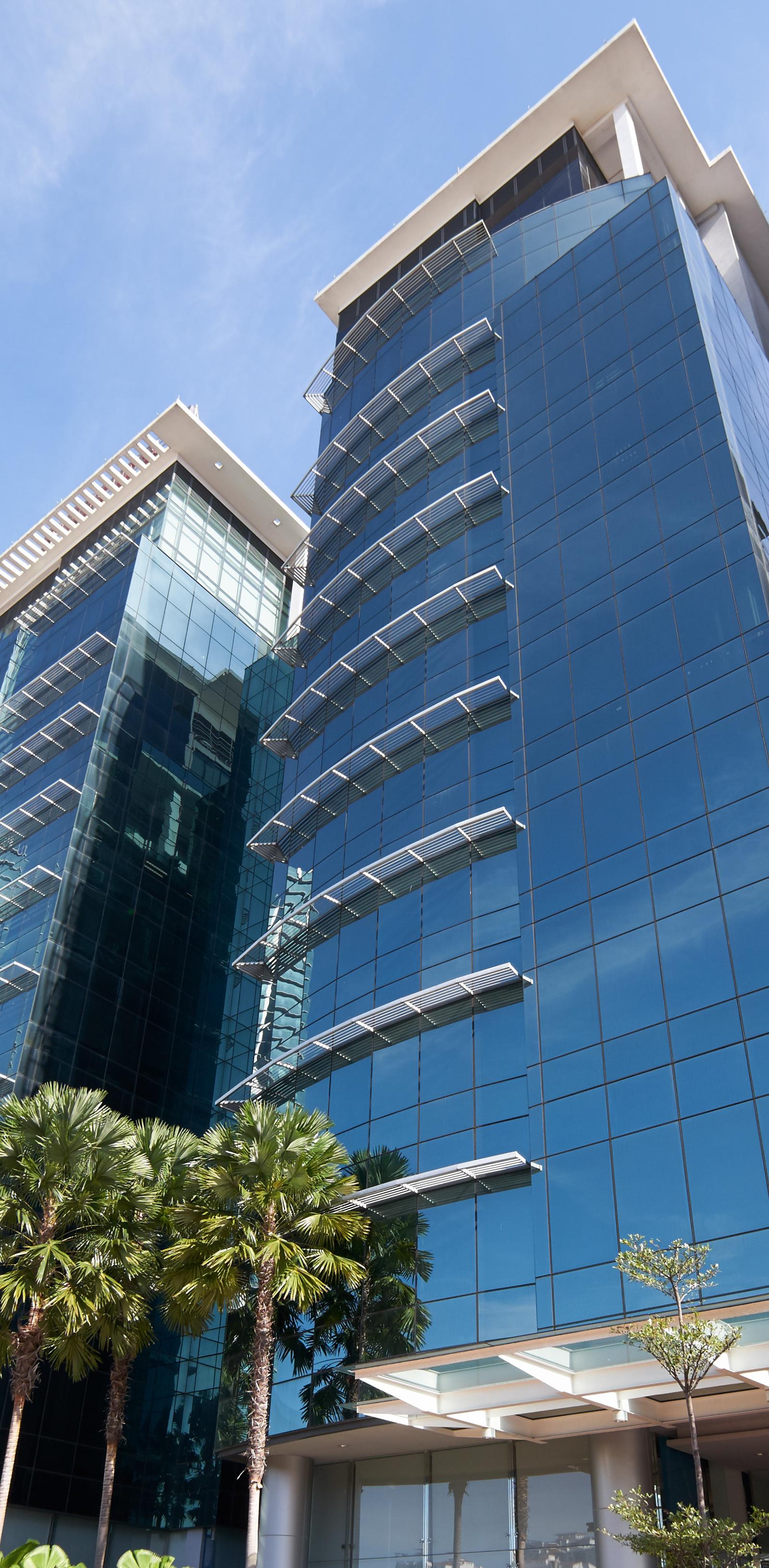
The Kuala Lumpur City Hall (DBKL) voted 24-8 on Wednesday to require all new commercial buildings above 5,000 square metres to meet enhanced energy efficiency standards starting 2027, marking the first binding municipal climate policy to apply across the federal territory.
The ordinance mandates that developers install solar panels covering at least 15 percent of roof area, meet a Building Energy Index rating of no more than 200 kilowatt-hours per square metre annually, and use LED lighting throughout common areas. Buildings that fail to meet these targets before occupancy will not receive their final certificates of completion, effectively barring them from operation.
City planners cited rising electricity demand across Kuala Lumpur's commercial districts. According to DBKL's 2025 infrastructure review, the city's non-residential energy consumption has grown 7.2 percent year-on-year over the past three years, driving pressure on grid capacity in central business precincts like Bukit Bintang and the Golden Triangle. The new rules are expected to reduce projected energy demand by 18 percent for affected buildings, the council stated in its policy briefing.
What This Means for Kuala Lumpur Businesses
The vote puts immediate pressure on the commercial real estate pipeline. Around 42 projects currently under construction or approved by DBKL fall under the threshold and will now be required to retrofit or redesign to comply. Real estate industry groups have noted that solar installation and energy management systems typically add 8 to 12 percent to initial building costs. For a 20,000-square-metre office tower, that could mean additional capital expenses of RM 4 million to RM 6 million, depending on scope and installation complexity.
Tenants leasing space in these buildings should expect the added capital costs to eventually flow through to rental rates, though the council voted to provide a five-year tax abatement for developments that exceed minimum standards by 20 percent or more, an incentive aimed at encouraging faster adoption. The council estimates 60 percent of new commercial projects could qualify for the abatement.
For Kuala Lumpur residents employed in or visiting commercial districts, the policy carries practical implications. Buildings with lower energy consumption typically maintain more stable internal temperatures and air quality, and reduced operational costs may offset some tenant rent increases over time. The mandatory LED lighting and solar capacity also improve grid resilience during peak demand periods, reducing the risk of localized brownouts that have periodically affected downtown areas during monsoon seasons.
Implementation and Next Steps
The City Hall has appointed a three-person compliance review board to assess applications and issue permits. The first phase covers buildings seeking approval between now and December 31, 2026, giving developers six months to modify plans or withdraw applications. The council has scheduled public information sessions at the DBKL headquarters on Jalan Raja Laut on July 17 and July 24 to explain technical requirements and answer developer questions.
Opposition councillor Wong Chen abstained from the vote, stating the policy lacked adequate timeline flexibility for projects already in advanced stages. Five council members voted against the motion on grounds that the solar requirement should apply only to buildings exceeding 10,000 square metres. The dissenting votes do not affect passage; the council's 24-vote approval threshold was exceeded.
The ordinance applies only to DBKL jurisdiction and does not bind Petaling Jaya, Subang Jaya, or other surrounding municipalities, though Selangor's state planning office signaled it may adopt similar rules for commercial zones outside Kuala Lumpur by early 2027. Implementation costs and technical guidance documents are expected to be released by DBKL within 30 days.