Property
Kuala Lumpur Property Prices: Cooling Off After 2021’s Fever Pitch
Transaction volumes and values in Kuala Lumpur have slowed from the breakneck pace of 2021, but key pockets remain resilient amid global uncertainty.
3 min read
Property
Transaction volumes and values in Kuala Lumpur have slowed from the breakneck pace of 2021, but key pockets remain resilient amid global uncertainty.
3 min read
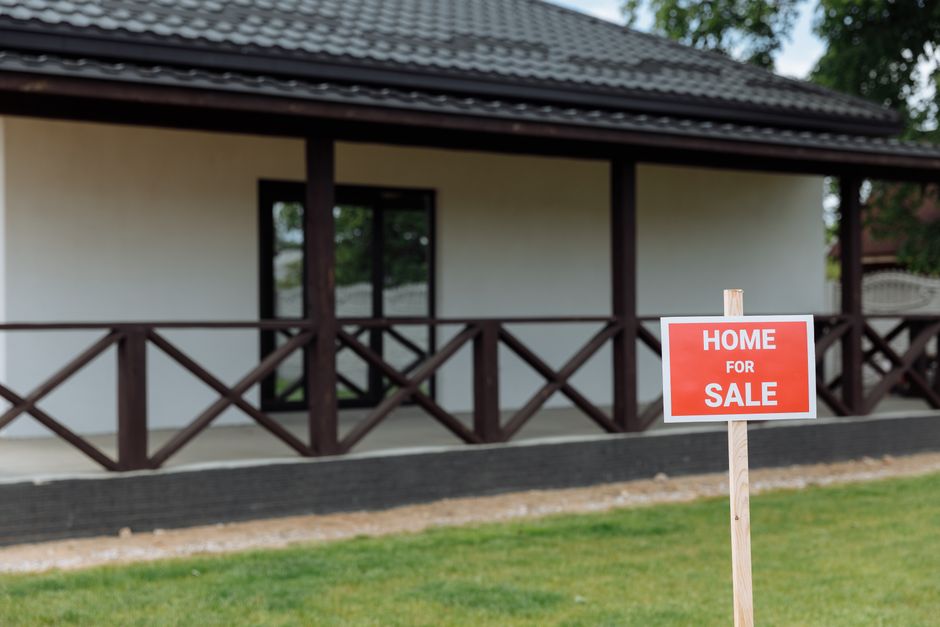
Kuala Lumpur’s red-hot property market of 2021 is now firmly in the rearview mirror. According to data released last week by the National Property Information Centre (NAPIC), average residential property prices in the city have been flatlining, with the median transacted price for Q2 2026 at RM585,000—only a marginal increase from RM575,000 reported five years ago.
This shift comes after a dramatic pandemic-driven upswing—fuelled by record-low interest rates, government incentives like the Home Ownership Campaign (HOC), and a rush to lock in deals in areas such as KLCC and Bangsar South. Back in 2021, monthly transaction volumes were breaking 15-year highs, with nearly 2,600 residential deals closing in Kuala Lumpur in September alone. Developers including Sime Darby Property and UOA Group ramped up launches, while agents reported multiple offers on new high-rise projects along Jalan Ampang and Bukit Bintang. "People feared missing out—now, they’re taking their time," said one veteran city agent.
The cooling of momentum has been palpable in both volume and buyer sentiment. The Bank Negara Malaysia overnight policy rate has now stabilised at 3.25%, up from the pandemic low of 1.75%. With costs rising and the Home Ownership Campaign incentives now a distant memory, some buyers are recalculating. Several sales agencies reported showroom footfall at Pavilion Damansara Heights has dropped by almost a third compared to 2021’s peak.
Yet, not all pockets are slowing. In Desa ParkCity—favoured by affluent families seeking greenery on the city fringe—semi-detached units continue to fetch RM2.8 million on average, a 7% gain since 2021. Meanwhile, older units in Cheras and Sri Petaling are seeing longer listing periods, with prices holding but not appreciating as they did during the previous boom. Property portal PropSocial now lists over 4,600 unsold units in central Kuala Lumpur, a 15% increase from two years ago, adding further pressure on sellers to negotiate.
New launches in Mont Kiara and Damansara City tell the same story: developers are offering rebates and flexible payment schemes more often, and some high-end condominiums have quietly shaved off their asking prices by up to 8% from last year. According to the Kuala Lumpur City Hall’s (DBKL) property monitoring, total primary market launches citywide are down 27% from the 2021 high-water mark.
Market watchers suggest the cooling is more a correction than a crisis. Rental yields for prime units in Bukit Ceylon and Hartamas remain above 4.5%, thanks in part to sustained demand from expatriates and a slow-but-steady post-pandemic tourism recovery. Analysts expect prices will hold steady through the end of 2026, barring any external financial shocks or a major change in government lending policy.
For those looking to get on the ladder, the abundance of choices and an increase in incentives from developers mean that negotiating power rests firmly with buyers for now. The city may not be in another frenzied boom, but for savvy purchasers, market conditions are set for opportunity—not a stampede.

Property
Property
Property
Property
About this article
Published by The Daily Kuala Lumpur
Spread the word
Daily brief
Free, in your inbox before 7am. Weekdays.
The Daily Network — local news across Australia