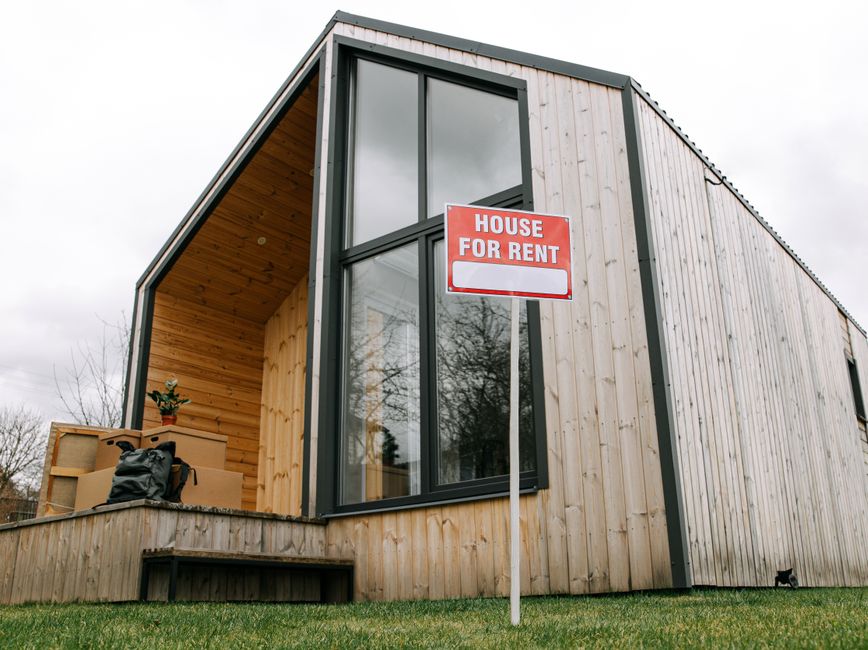
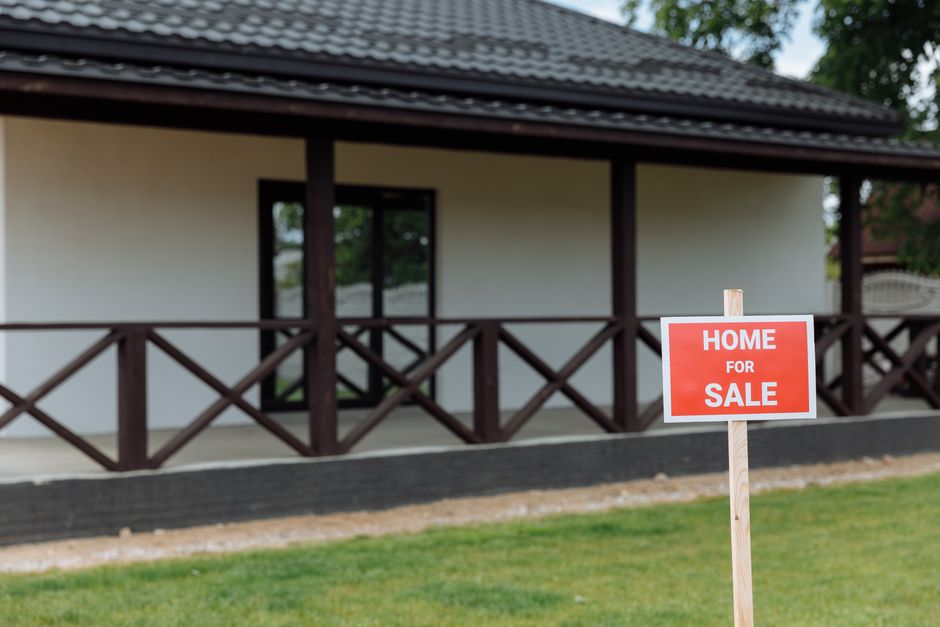
Suria Hartamas Residences, a gleaming new tower on Jalan Sri Hartamas 1, welcomed its first batch of tenants last month—none of whom will ever own their unit. The 324-apartment project from Mah Sing Group is the latest sign that build-to-rent (BTR) is moving from international trend to visible reality in Kuala Lumpur’s property scene.
With homeownership slipping farther out of reach for many, rental models are suddenly in the spotlight. Soaring prices after the COVID-19 construction pause, five bank rate hikes since 2023, and tougher lending criteria have left Kuala Lumpur’s median property price at RM530,000 according to the National Property Information Centre (NAPIC), well above the level affordable to a median household. In this context, new BTR developments offer an option that’s closer in Spirit to long-term European rental living than the old patchwork of mom-and-pop flats for rent.
More Than Just a Lease: Amenities and Stability
Unlike strata-title condos where absentee landlords and subletting arrangements can lead to shifting rules, build-to-rent projects such as Suria Hartamas Residences and UOA Group’s KL Gateway Suites (off Jalan Kerinchi) are managed by unified teams dedicated to tenants. Residents report that this means on-call maintenance, predictable annual rent increments—often capped at 3%—and inclusive amenities. Facilities range from co-working lounges to rooftop jogging tracks and bookable event rooms, all aimed at making rental not just a fallback but a preferred lifestyle.
For tenants like university lecturer Nur Farhan, who moved into the BTR project VIVO Suites on Jalan Klang Lama last year, it’s about consistency: “I pay RM2,100 monthly and I know precisely who to call if something leaks or if a lift stops. No surprises.” In many traditional rental markets across KL, especially in hotspots like Bukit Bintang or Taman Desa, tenancy can fluctuate with each landlord’s whims—and return deposits are often a pain point.
Affordability and the Numbers
Market data from Knight Frank Malaysia puts the average monthly rent for a two-bedroom unit in a new BTR scheme in Bangsar South at RM3,000. By contrast, monthly mortgage payments for a similar unit, assuming the usual 80% loan at current rates, would hover around RM3,500, after factoring insurance and maintenance fees. With DBKL’s 2025 Housing Outlook showing homeownership rates falling among those under 40 (dropping to 47% from 55% in 2018), the appeal of stable, amenity-rich renting is clear.
Importantly, many BTR operators now offer longer, flexible leases—up to five years in some cases—without the threat of sudden eviction, a significant point as expat returnees and younger professionals look for housing with stability, especially in urban centres such as Sentul and Mont Kiara. Security deposits are sometimes halved or even waived during opening promotions, sweetening the deal further.
As UEM Sunrise’s upcoming build-to-rent project at Jalan Duta readies for launch in December, experts expect more such projects to appear, particularly near new MRT and LRT lines in 2027. Property agents recommend prospective tenants read contracts closely—especially terms regarding rent increases and deposit deductions—and take advantage of rent-free periods or early-bird rates where offered. For renters frustrated with Kuala Lumpur’s patchwork market, BTR developments are promising what tenants say they want: security, modern facilities, and a different kind of contract with the city.