Property
KL Suburbs Where Buying Has Overtaken Renting on Affordability
Monthly mortgage payments are now undercutting average rents in key suburban hotspots, offering relief for long-frustrated would-be homeowners.
3 min read
Property
Monthly mortgage payments are now undercutting average rents in key suburban hotspots, offering relief for long-frustrated would-be homeowners.
3 min read
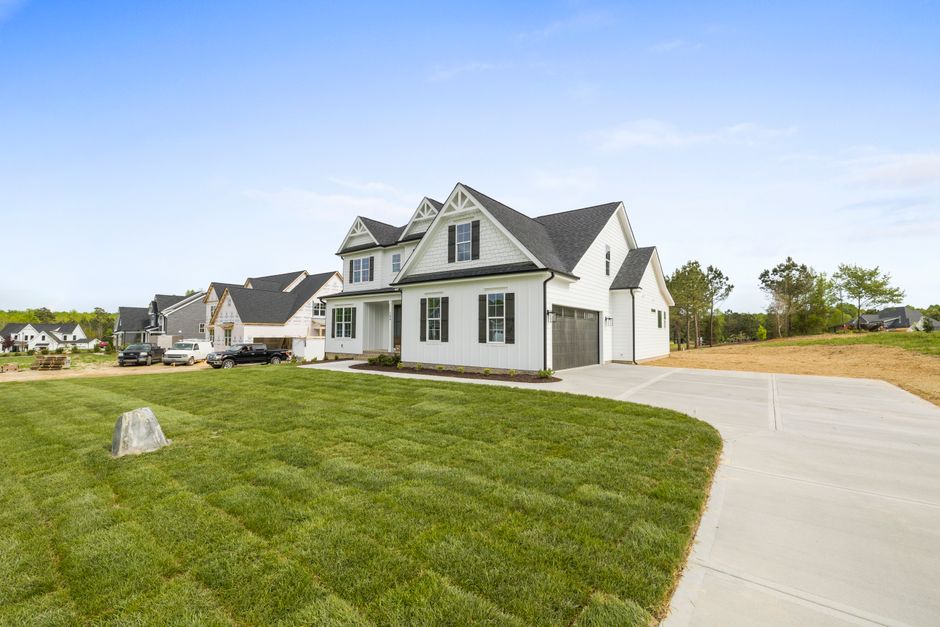
For the first time in a decade, homebuyers in several Kuala Lumpur suburbs are discovering that purchasing a home costs less per month than renting it—defying long-held assumptions in the city’s feverish property market.
The affordability gap comes after two years of stagnant wage growth and a rental surge of nearly 20% in some popular neighbourhoods, according to Juwai IQI's latest "KL Home Affordability 2026" report. While urbanites have grappled with rising living costs from Bukit Bintang to Bangsar, analysis now points to new opportunities in suburban areas like Cheras and Kepong, where median mortgage payments have dipped below market rents.
In Cheras, a three-bedroom unit at the Lavile Kuala Lumpur complex off Jalan Peel posted average asking rents of RM2,300 per month in June—while comparable mortgage repayments (for buyers with a 90% LTV loan at 3.85% interest over 30 years) fell to RM2,120 for a median-priced RM600,000 unit. The difference is even more striking in Kepong’s Taman Bukit Maluri, where buyers can expect to pay RM1,950 per month on their loan, compared to the RM2,200 median rent for recent lease listings in June. Local real estate agencies including PropNex Malaysia confirmed to The Daily Kuala Lumpur that similar inversions have appeared in Setapak and Sri Petaling since early May.
The shift comes as landlords, squeezed by higher taxes and insurance costs, drive rents upward—even as sellers, eager to offload older stock, accept lower closing prices. "We’re seeing buyers in their late 20s and early 30s running the numbers and realising ownership finally makes more sense—at least in these key suburbs," said Jayce Tan, a negotiator with Metro Jaya Realty, which specialises in mid-market landed properties in the Klang Valley.
Fresh data from PropertyGuru shows that median asking rents in Cheras climbed 11% year-on-year as of June 2026, with even sharper 12-month hikes along the MRR2 corridor and at projects near Taman Pertama MRT. At the same time, completed stock in Kepong has seen values soften by 8% since 2024, following oversupply in new launches along Jalan Ipoh and Desa ParkCity's secondary market. Bank Negara Malaysia’s 2025 report estimates Kuala Lumpur’s average house price now stands at RM488,000, yet price segments in the city’s eastern and northern fringes regularly dip below RM400,000, making entry to the owner-occupier market less daunting than in the CBD or Mont Kiara.
The crossover point—where monthly repayments sit below market rents—rarely appears in mature Asian capitals, and has prompted buyers to revisit financing options and developer incentives. Sunway Property has revived its HouzKEY rent-to-own programme at Sunway Velocity Two, while UEM Sunrise has rolled out stamp duty rebates for first-time buyers in the area around KL East Mall. Such carrot-and-stick support is giving fence-sitters extra push to abandon the rental cycle.
While rent is still king in pockets of Damansara, Bangsar South, and city-core districts where valuation gaps remain steep, suburban affordability is shifting the conversation quickly. Analysts stress that buyers must factor in maintenance fees, potential interest rate hikes, and hidden costs before signing up for a mortgage. But for renters in Cheras, Kepong, or Setapak tired of annual increases, running the numbers today could mean monthly savings, and a shot at finally owning a piece of Kuala Lumpur’s housing future.
Property

Property

Property
Property
About this article
Published by The Daily Kuala Lumpur
Spread the word
Daily brief
Free, in your inbox before 7am. Weekdays.
The Daily Network — local news across Australia