Property
Kuala Lumpur Council’s New Planning Rules to Reshape Urban Density and Design
DBKL’s sweeping density reforms signal major changes ahead for developers and residents in key neighbourhoods including Desa ParkCity and Brickfields.
3 min read
Property
DBKL’s sweeping density reforms signal major changes ahead for developers and residents in key neighbourhoods including Desa ParkCity and Brickfields.
3 min read
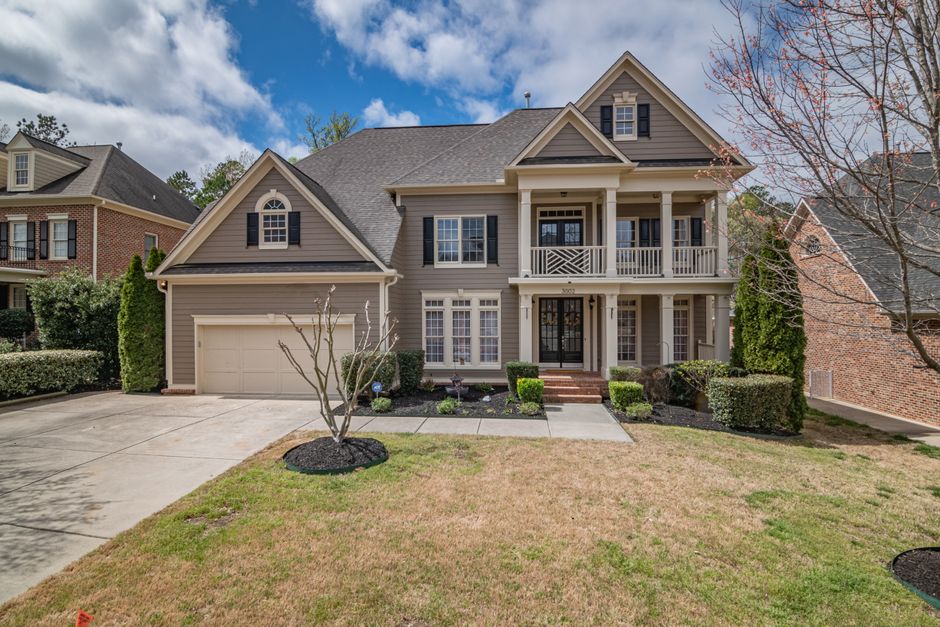
The Kuala Lumpur City Hall (DBKL) has approved a raft of new planning rules set to kick in from 1 August, aiming to boost urban density while overhauling design standards for new residential towers and mixed-use developments across the capital.
The council’s surprise vote comes after months of pressure from developers and residents alike, as the city’s breakneck construction pace has begun to pinch traffic, green space, and liveability in densely packed precincts. DBKL’s planners now want tighter controls on building height, minimum green buffers, and public amenities, effectively rewriting the rules developers have used for years to push skyward in areas like Mont Kiara, Desa ParkCity, and the southern gateway around KL Sentral.
Under the revised Kuala Lumpur Structure Plan 2040, sites along Jalan Ipoh and the fast-growing Desa ParkCity enclave will face new plot ratio limits. Plot ratios—which dictate how many square metres can be built per square metre of land—will be capped at 1:6 for all new residential applications, a sharp pullback from the previous 1:9 ceiling for some parcels. The new rules also mandate 15% open space for any project exceeding 20 storeys, a move targeting soaring enclaves such as Brickfields and Bandar Malaysia where parks and shared amenities can lag far behind concrete output.
Developers building along Jalan Tun Razak or in the Tun Razak Exchange (TRX) district must provide street-level retail and shaded pedestrian walkways, aimed at encouraging walkability and stemming complaints about isolated towers. Efforts to harmonise street widths and setbacks will be piloted in Cheras and Bangsar South, where residents have complained about blocked light and insufficient public squares in dozens of recent launches.
In 2025, DBKL approved 7,150 new residential units, the steepest annual tally since before the pandemic. Across Mont Kiara, the average price of a new condo now sits at RM1,080 per square foot, with two-bedroom starter units routinely topping RM1 million. "Supply skyrocketed, but so did congestion and resident frustration," said an industry analyst who reviewed the new guidelines. According to DBKL’s urban planning office, the density cap will cut next year’s projected launches 30% citywide, with the biggest impact expected in hot corridors like Jalan Kuchai Lama and Kepong.
The council’s move dovetails with the federal government’s push to temper speculation and deliver more affordable housing, including ongoing initiatives under the Residensi Wilayah scheme. But developers warn that limiting plot ratios and mandating open spaces will inflate land and compliance costs, with likely knock-on effects for prices at launch.
For buyers planning to enter the KL market, real estate agents are advising a sharper focus on location and amenities, with extra scrutiny of projected completion dates and public facility provisions—especially as older projects without generous parks or playgrounds may struggle to keep up. DBKL will review the policy again in mid-2027; in the meantime, developers are racing to submit plans under the old rules before the 31 July cutoff.

Property
Property
Property
Property
About this article
Published by The Daily Kuala Lumpur
Spread the word
Daily brief
Free, in your inbox before 7am. Weekdays.
The Daily Network — local news across Australia