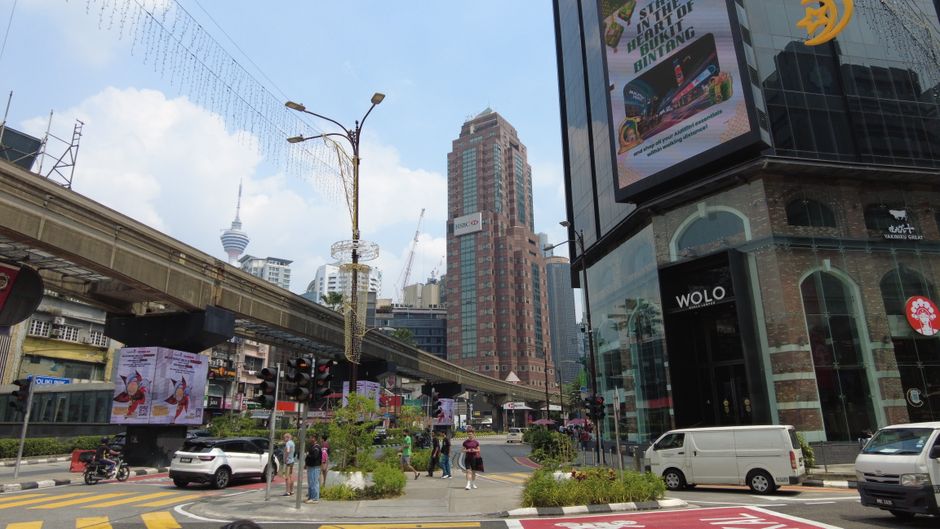
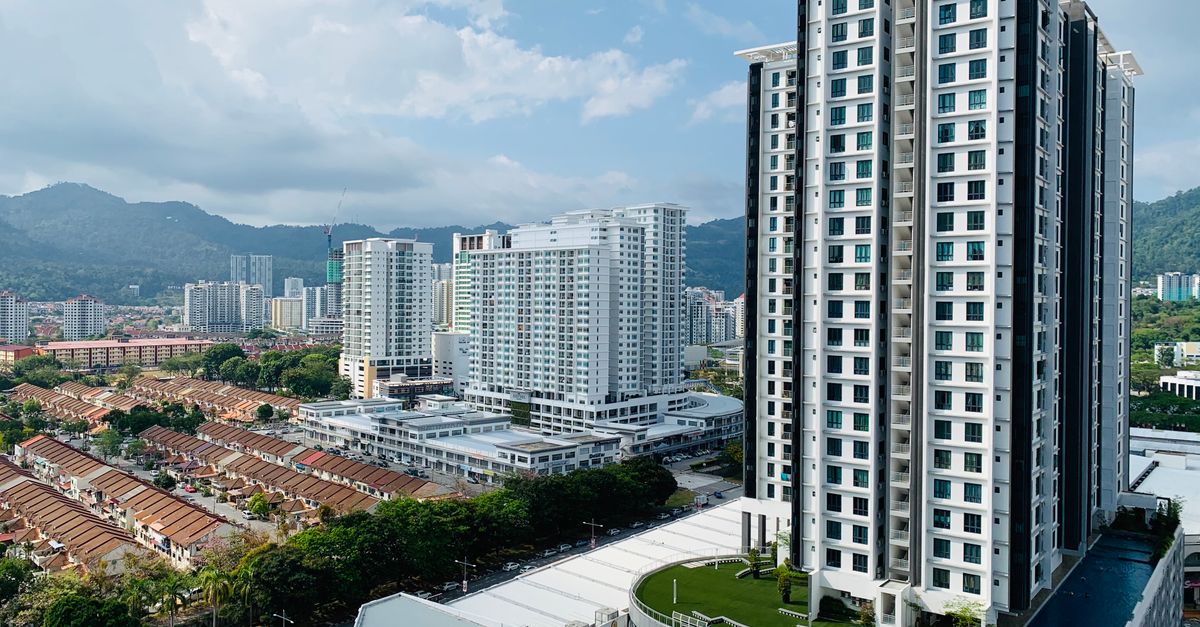
Bukit Jalil is rapidly shaping up as Kuala Lumpur’s hottest growth corridor. The long-anticipated Bandar Malaysia MRT station finally opened its doors last month, bringing direct mass transit connections to the southern fringe of the city and stoking a fresh round of interest from both homebuyers and developers.
This matters now because Kuala Lumpur’s established neighbourhoods are increasingly squeezed by soaring prices and traffic congestion. With banks reporting stricter lending rules since the start of 2026, buyers are hunting for areas with both affordable launches and real upside potential. Bukit Jalil offers a strategic alternative: a suburb traditionally known for sports venues and mid-range condos, now on the cusp of rapid transformation thanks to new infrastructure commitments.
Transport Upgrades Fueling a New Wave of Investment
Located just south of Sri Petaling, Bukit Jalil is anchored by landmarks like the National Sports Complex and Pavillion Bukit Jalil mall. In recent months, it has been the subject of feverish activity. The major turning point was the completion of the MRT Putrajaya Line segment between Chan Sow Lin and Bandar Malaysia in June, giving residents seamless access to the city centre and KLIA transit. Meanwhile, the upgraded Puchong-Sungai Besi Highway has further cut commute times into central Kuala Lumpur and out to Putrajaya.
Developers are ramping up to chase the wave. Gamuda Land’s 60-acre Bukit Jalil City township is rolling out a new phase of serviced residences this quarter, with units priced from RM650,000. Up the road, Berjaya Land announced that its residential towers along Jalan 13/155c are now 80% sold since the start of 2026, with a marked increase in buyers aged below 35. "The big game-changer has been the opening of the new MRT station," a senior agent at PropNex KL said, noting that foot traffic to showrooms more than doubled across May and June.
Solid Numbers Amid Tightening Market Conditions
Figures from the National Property Information Centre (NAPIC) suggest Bukit Jalil’s median sub-sale condo price reached RM610 per square foot in Q2, up 14% from the same period last year. That contrasts with the stagnant or declining prices seen in more mature neighbourhoods like Taman Desa or Cheras, where transactions are hampered by aging stock and high maintenance fee arrears. Monthly rents for newer Bukit Jalil apartments are now brushing RM2,600 for a two-bedroom, with most listings snapped up within days of hitting the market.
Despite signs of market-wide caution—Bank Negara Malaysia flagged a rise in housing loan application rejections in its April report—younger buyers see Bukit Jalil as a rare intersection of value and convenience. Analysts at Knight Frank Malaysia point to the imminent completion of the Bukit OUG interchange as yet another catalyst, projecting sustained rental and price growth through 2027.
For would-be buyers and landlords, the advice is clear: monitor ongoing infrastructure milestones closely, and move fast when preferred projects open for preview. The Bukit Jalil market, once peripheral, now sits at the centre of Kuala Lumpur’s suburban reinvention. Several developers are planning new launches timed with the National Sports Complex’s upcoming calendar of international events, which are expected to further boost short-term rental yields. Investors scouting for both capital appreciation and rental demand will find the corridor’s fundamentals—fresh connectivity, township-scale amenities, and active developer competition—hard to beat in the current market cycle.