property
How Much Rent Is Too Much? The 30% Rule in Practice for Kuala Lumpur Renters
As rental rates climb in KL, residents and experts revisit the 30% income guideline to judge housing affordability across key city neighbourhoods.
How we reported this
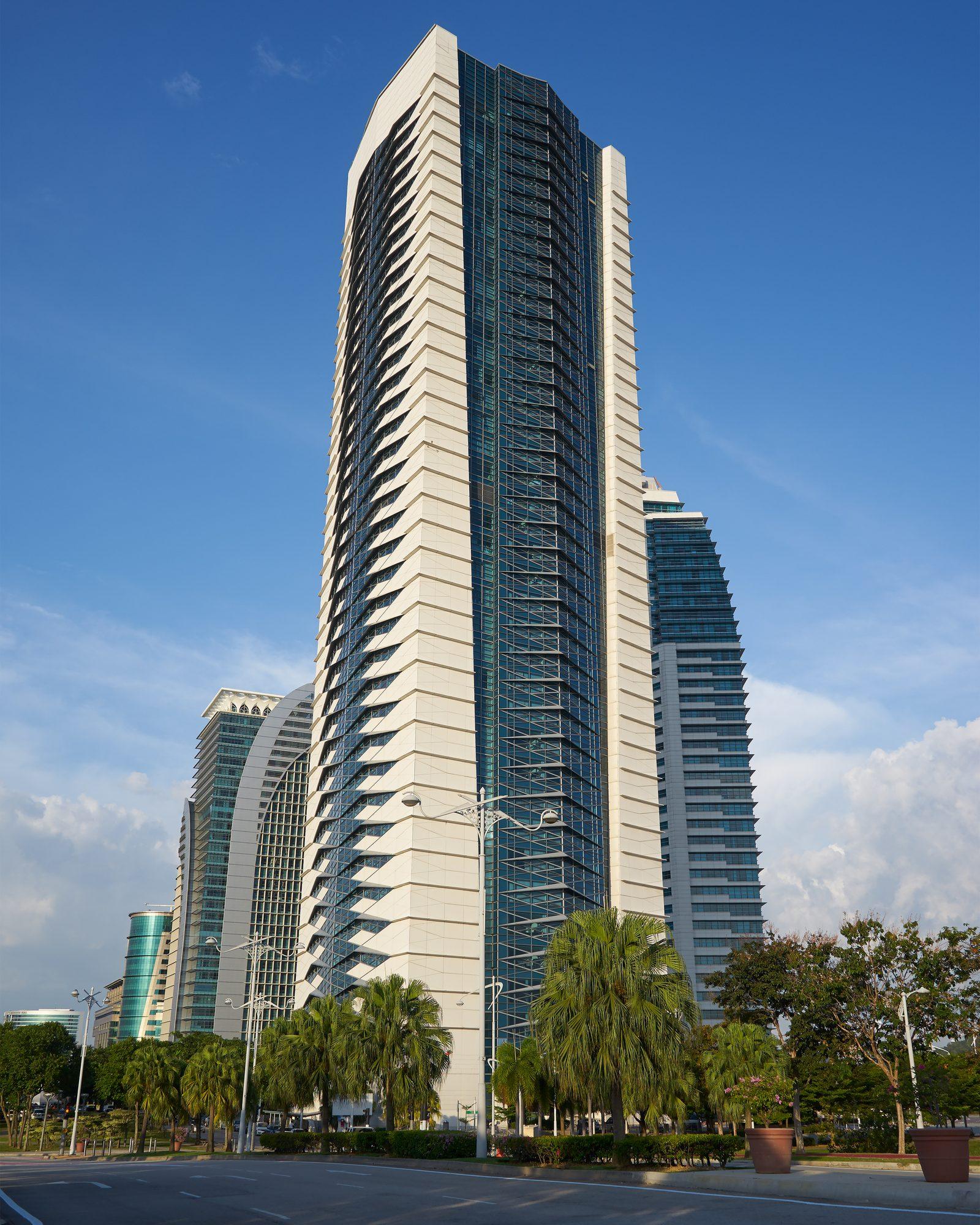
The age-old 30% rent rule-spending no more than a third of your income on housing-faces a serious stress test in Kuala Lumpur as urban dwellers navigate rising rents and stagnant wages. A new wave of relocations and lifestyle adjustments is underway, especially in city hotspots like Mont Kiara and Bangsar, where monthly rents for small units continue to edge upwards.
Affordability Gets a Fresh Look
For thousands of young professionals signing leases this July, the question is front and centre: how much rent is too much? The city's median rental prices have seen persistent increases, prompting concerns from residents and analysts alike. Amid announcements of new residential launches and upgrades to the MRT Putrajaya Line, many are reevaluating personal budgets and long-term housing plans.
With Kuala Lumpur’s Central Business District (CBD) and rapidly developing areas like Cyberjaya drawing both local and expat tenants, rental affordability has become a litmus test for the city's attractiveness as a place to live and work. This year, the Real Estate and Housing Developers’ Association (REHDA) listed housing affordability and oversupply within KL’s condo sector among the top issues facing urban residents.
KL Rents vs. Income: A Tight Squeeze
On Jalan Ipoh, tenants searching for a decent one-bedroom apartment frequently encounter asking rents above RM1,600 a month. In high-demand neighbourhoods like Bukit Bintang, rates for studios in newer serviced residences can touch RM2,500 monthly, while gross monthly wages for many white-collar workers hover between RM4,000 and RM6,000, according to figures published by the Department of Statistics Malaysia for 2025.
That puts the 30% rule in sharp focus: a RM4,500 monthly salary equates to a 'safe' rent ceiling of RM1,350. Yet, property portal EdgeProp’s market summary notes the average median rent in key KL postcodes continues to surpass this threshold, particularly for units within walking distance of shopping hubs like Suria KLCC or hotspot venues along Jalan Telawi in Bangsar.
The past year’s reports from Bank Negara Malaysia highlighted that, on average, nearly half of renters in the city are spending above the recommended 30% of their gross income on rent. The situation is starkest among new graduates and single-income households, who often compromise on space or location to stay within budget limits.
Road Ahead: Tips and Policy Focus
With many landlords ramping up asking prices on properties near LRT, MRT, and Monorail lines, tenants are left weighing priorities-location, commuting time, and size-against that crucial 30% guideline. Housing analysts suggest using online calculators and budgeting tools to tally all qualifying costs (including maintenance fees and utilities) before signing any lease.
While some developers, including units under Sime Darby Property and Mah Sing Group, are responding with smaller, more affordable apartment layouts, others have amplified investment in rent-to-own schemes across urban KL. The government’s ongoing Residensi Wilayah initiative has expanded its offering of homes below RM300,000, aiming to help renters transition to homeownership.
For now, KL renters are urged to be vigilant, especially when negotiating renewals this July. Watching for introductory discounts, exploring secondary market listings, and factoring in transport costs remain central to keeping housing costs within reasonable bounds-even as the city’s skyline continues to reach higher.
This article is general information only and is not personal financial or investment advice. Consider your own circumstances and seek licensed professional advice before making financial decisions.