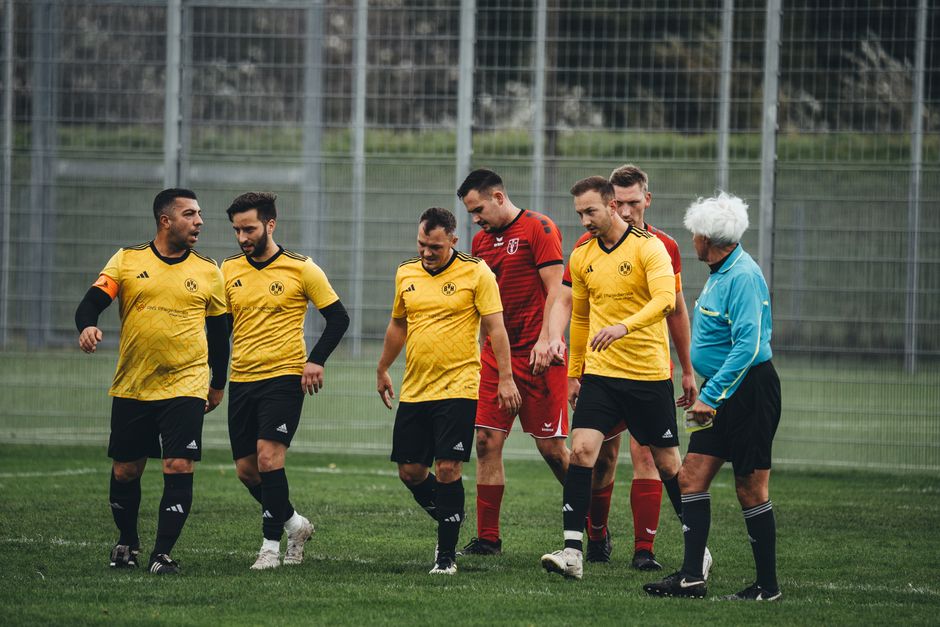
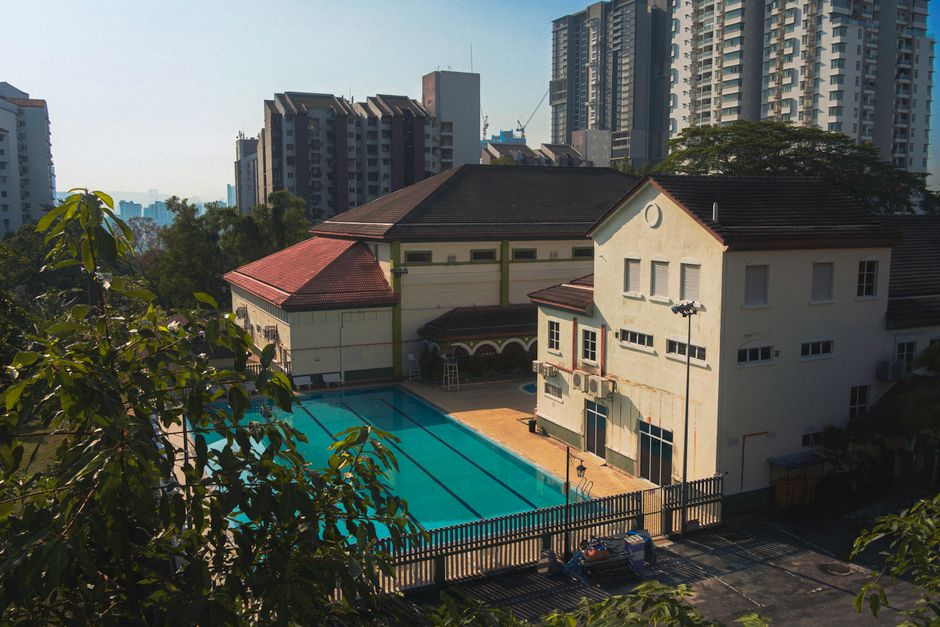
Kuala Lumpur Football Club's training complex at Ampang is showing its age. Drainage on two of the three pitches floods after heavy rain — a chronic problem in a city that averages 2,600mm of rainfall annually — and the floodlighting on the main ground falls short of the 1,500-lux standard required for televised Malaysia League fixtures. The club has been lobbying City Hall since at least January for a capital injection to address the deficiencies. So far, no cheque has arrived.
The timing matters because Malaysian football is, by any measure, in a growth phase. Total attendance across the Liga Super's 2025 season topped 1.2 million, the highest figure recorded in a decade according to the Football Association of Malaysia. Sponsors are returning. Broadcast deals, including a renewed arrangement with Astro worth a reported RM48 million over three years, have put more money into the federation's accounts. Yet the physical infrastructure — the stadiums, the training grounds, the community pitches — has not kept pace with the revenue curve.
Bukit Jalil Carries the Capital
The burden falls disproportionately on the National Stadium in Bukit Jalil. Built for the 1998 Commonwealth Games at a cost of roughly RM270 million, the 87,411-seat venue remains Southeast Asia's largest football stadium and the default home for any fixture with national significance. KL City FC used it for their AFC Cup group stage matches in March. The national team plays almost every home qualifier there. On back-to-back weekends last October, it hosted a Liga Super final and a Harry Styles farewell concert — a scheduling conflict that left groundskeeping staff less than 48 hours to restore the pitch surface.
The stadium sits within Bukit Jalil Sports City, a 300-acre complex that also houses the National Aquatic Centre and the National Hockey Stadium. Stadium Malaysia, an older 40,000-capacity venue about 800 metres down Jalan Stadium, has been underused since a partial roof replacement in 2022 left one stand closed pending safety certification. Selangor FC, whose historic ties to Shah Alam's MBSA Stadium have frayed over administrative disputes, has occasionally looked to Stadium Malaysia as an overflow option — but the unresolved certification issue complicates any long-term arrangement.
Grassroots Pitches: The Quieter Crisis
Away from the high-profile venues, the state of community football infrastructure in the city's denser neighbourhoods tells a different story. The Padang Merbuk complex near Masjid Negara, traditionally one of the busiest public football spaces in the Kuala Lumpur city centre, has seen two of its five pitches closed since February after ground subsidence was detected along the western boundary. Dewan Bandaraya Kuala Lumpur, the city authority, has allocated RM3.2 million in its 2026 budget for repair and resurfacing work, but contractors were only appointed in late May, pushing any reopening toward the final quarter of the year.
The Chow Kit area, home to one of the densest populations of young footballers in the capital given its large migrant community, has no dedicated lit football facility within a one-kilometre radius. Residents rely on a single unmarked concrete surface behind the Chow Kit wet market, a space shared with motorbike parking on weekend mornings. Community sports organisations, including the KL Football Development Initiative, which has operated youth coaching programmes in Titiwangsa and Sentul since 2019, have cited the lack of accessible pitches as the single largest obstacle to player retention under the age of 14.
The Malaysian government's Dasar Sukan Negara — the National Sports Policy framework updated in 2024 — sets a target of one gazetted football facility per 10,000 urban residents by 2030. Kuala Lumpur, with a metropolitan population approaching 8 million, is currently well short of that ratio. Closing the gap will require more than stadium maintenance cycles. It will require the kind of systematic land-use planning that has so far been squeezed out by commercial development pressure in high-value postal codes like KLCC and Bangsar.
KL City FC's home fixture schedule resumes on July 19 at Bukit Jalil. Club officials have indicated they expect an announcement on the Ampang training complex upgrade before the end of the month. Until then, players train around the puddles.