Wellness
Five Evidence-Based Techniques to Reduce Daily Stress
From Bangsar yoga studios to Chow Kit breathing clinics, KL's wellness scene is catching up with the science — here's what actually works.
4 min read
Wellness
From Bangsar yoga studios to Chow Kit breathing clinics, KL's wellness scene is catching up with the science — here's what actually works.
4 min read
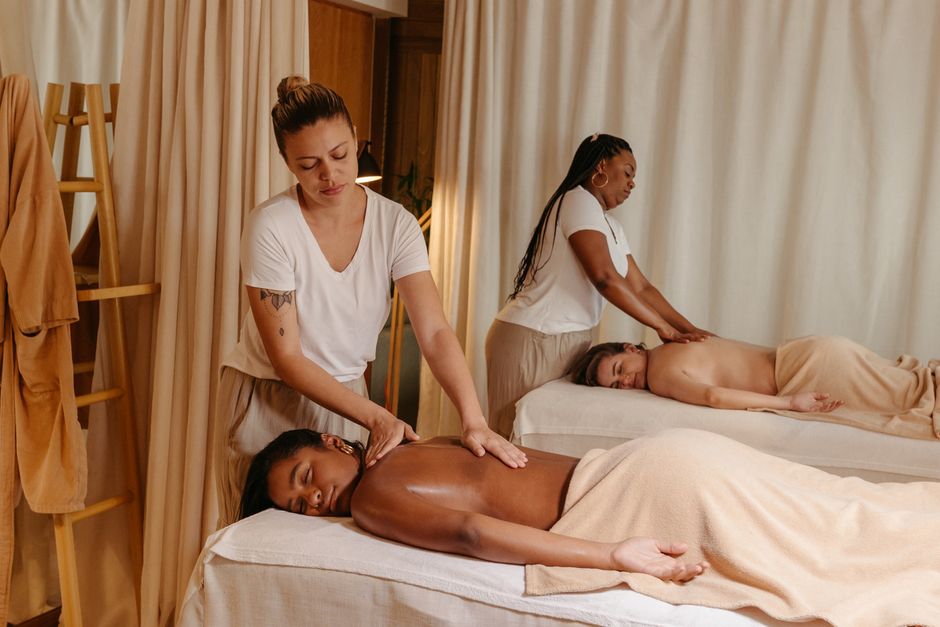
Stress levels among working Kuala Lumpur residents hit a measurable high last year. A 2025 survey by the Malaysian Mental Health Association found that 67 percent of respondents in the Klang Valley reported experiencing moderate to severe stress on a weekly basis, with financial pressure and commute times cited as the two leading triggers. The data landed quietly, but clinicians across the city say they felt it in their appointment books.
The timing matters. Hormone health has become a mainstream conversation globally, with researchers publishing new findings throughout 2026 on how chronic cortisol elevation disrupts everything from sleep architecture to metabolic function. For KL residents juggling the LRT crowds at Masjid Jamek, school-run traffic on Jalan Duta, and the relentless pinging of WhatsApp work groups, the question is no longer whether stress is a problem — it's what to do before it compounds into something clinical. Consult a local medical professional for personalised advice, but here are five techniques with genuine research behind them.
1. Box breathing. Four counts in, four counts hold, four counts out, four counts hold. The technique, used by the US Navy SEALs and now taught at KL's Mind Matters clinic in Bangsar South, activates the parasympathetic nervous system within about 60 seconds. A 2023 paper in the journal Frontiers in Psychology found that just five minutes of structured breathwork reduced salivary cortisol by 15 percent in office workers. No app required.
2. Progressive muscle relaxation. Systematic tension and release of muscle groups — starting from the feet upward — was formalised by Edmund Jacobson in the 1920s and has been validated in dozens of randomised trials since. The Solaris Mont Kiara wellness centre runs a weekly Thursday evening session, RM45 per class, specifically designed for executives. The evidence suggests 20-minute sessions three times a week produce measurable reductions in anxiety within four weeks.
3. Cold-water face immersion. Submerging the face in cold water for 30 seconds triggers the mammalian dive reflex, slowing heart rate rapidly. It sounds extreme, but the physiological mechanism is well-documented. Researchers at the University of Gothenburg published findings in 2022 confirming its effectiveness as an acute anxiety interrupt. Your bathroom sink is sufficient.
4. Deliberate physical movement — not punishment exercise. This is a meaningful distinction. A 30-minute brisk walk along the KLCC Park perimeter raises brain-derived neurotrophic factor (BDNF), which supports mood regulation. The park's 1.3-kilometre loop is free, lit until 10 p.m., and consistently ranked among the city's most-used public green spaces. Research published in JAMA Psychiatry in 2023 found that 150 minutes of moderate movement weekly cuts the risk of depression by 25 percent — equivalent to the effect of low-dose antidepressants in mild cases.
5. Consistent sleep and wake times — without exception on weekends. Circadian rhythm stability is one of the most powerful and most ignored stress interventions available. The Malaysian Society of Sleep Medicine notes that irregular sleep timing, sometimes called social jetlag, is associated with elevated inflammatory markers and mood dysregulation. Setting a fixed wake time — say, 6.30 a.m. every day including Sunday — anchors the body's cortisol awakening response and reduces mid-afternoon energy crashes that so many KL office workers self-medicate with a third teh tarik.
None of these techniques requires expensive equipment or a subscription. Three of them cost nothing. The Befrienders Kuala Lumpur, reachable at 03-7627 2929 and based in Petaling Jaya, remains the city's most accessible crisis support line for anyone whose stress has tipped into something darker. For structured programmes, the Hospital Universiti Kebangsaan Malaysia in Cheras runs a psychology outpatient service with sliding-scale fees for low-income patients.
The science on stress is not new. Acting on it, consistently and specifically, is the harder part — and that work begins this week, not next month.

Wellness

Wellness
Wellness

Wellness
About this article
Published by The Daily Kuala Lumpur
Spread the word
Daily brief
Free, in your inbox before 7am. Weekdays.
The Daily Network — local news across Australia