Wellness
Gut Health 101: Fermented Foods You Can Find Locally
From Chow Kit market stalls to Bangsar health cafés, Kuala Lumpur's fermented food scene is quietly becoming one of the city's most compelling wellness stories.
4 min read
Wellness
From Chow Kit market stalls to Bangsar health cafés, Kuala Lumpur's fermented food scene is quietly becoming one of the city's most compelling wellness stories.
4 min read
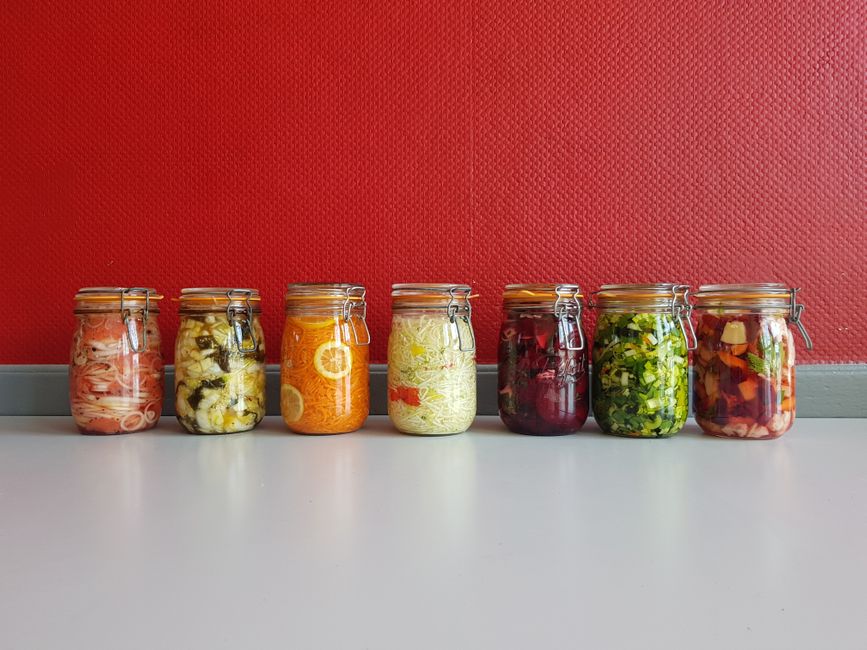
Gut health is no longer fringe science. Across Kuala Lumpur's wellness circles — from the pilates studios of Mont Kiara to the weekend farmers' markets at Publika Shopping Gallery in Dutamas — fermented foods have moved from curiosity to staple. The global microbiome research boom, accelerated by studies published through institutions like the Human Gut Project, has pushed fermentation firmly into mainstream conversation. The good news for KL residents: many of the most effective options are already sitting in your neighbourhood wet market.
The science is worth taking seriously. A 2021 study published in Cell by researchers at Stanford University found that a diet high in fermented foods increased microbiome diversity and reduced 19 inflammatory proteins over a ten-week period. That research has since become a reference point for nutritionists across Southeast Asia. Malaysia's own Health Ministry, in its updated 2024 Malaysian Dietary Guidelines, explicitly acknowledged the role of probiotic-rich foods in supporting digestive immunity — a quiet but meaningful policy shift.
Start with tempeh. Made from fermented soybeans, it has been produced and consumed in Malaysia for generations, and you can buy a slab for as little as RM2 at Chow Kit Wet Market on Jalan Haji Taib. Tempeh delivers protein, fibre, and Lactobacillus strains that support intestinal flora. It is not a trend import — it is a staple that nutritionists say many Malaysians have been eating correctly all along without calling it a wellness food.
Then there is tapai, a fermented glutinous rice or tapioca product that appears at Ramadan bazaars and Orang Asli community stalls around Kuala Lumpur's periphery. Tapai contains naturally occurring yeast and beneficial bacteria produced during a two-to-three-day fermentation window. Less mainstream but increasingly stocked at specialty grocers like Village Grocer in Bangsar Village II, it is worth seeking out.
Kimchi and miso have also earned permanent shelf space in KL kitchens. BMS Organics, which operates multiple outlets including its branch along Jalan Telawi in Bangsar, stocks house-brand miso paste sourced from Japanese-style fermentation processes, priced around RM18 to RM28 per 300g jar. Several Korean grocery shops along Jalan Imbi in Bukit Bintang sell imported kimchi at roughly RM12 to RM15 per 500g pack, alongside locally made versions produced by small-batch fermenters who sell through platforms like Shopee and at the weekend market inside Taman Tun Dr Ismail.
Kombucha — fermented tea brewed with a symbiotic culture of bacteria and yeast — has gone from niche to near-ubiquitous in KL's café belt. Craft producers including KombuchaKraft, based in Petaling Jaya, distribute to health cafés across the Klang Valley, with bottles typically retailing between RM12 and RM18 each. The drink contains acetic acid and B vitamins alongside live cultures, though nutrition researchers caution that sugar content varies considerably between brands.
Kefir — a fermented milk drink with roots in the Caucasus region — is produced locally by several home-based suppliers who advertise through Instagram and sell at the Sunday market in Bangsar. A 500ml bottle generally costs RM15 to RM20. For those who are lactose sensitive, water kefir, which uses sugar water rather than dairy as its fermentation base, is an alternative increasingly sold at organic grocers like Zenxin Organic in Kepong.
The practical advice from dietitians consulted for this piece is consistent: start slow. Adding multiple fermented foods at once can cause bloating and digestive discomfort as the gut microbiome adjusts. Introduce one new item per week, keep portions modest — around 50g to 100g per serving — and observe how your body responds over two to four weeks. Anyone with an underlying gastrointestinal condition should consult a registered dietitian or gastroenterologist before making significant dietary changes. The Nutrition Society of Malaysia (NSM), headquartered in Petaling Jaya, maintains a public directory of registered nutritionists at nutritionmalaysia.org for those seeking credentialled guidance.
The most expensive fermented food is not necessarily the most effective. Tempeh at RM2 a block, eaten three or four times a week, may do more for your microbiome than a RM60 probiotic supplement. KL already has the ingredients. The question is whether its residents are paying attention to what they have always had.

Wellness

Wellness

Wellness

Wellness
About this article
Published by The Daily Kuala Lumpur
Spread the word
Daily brief
Free, in your inbox before 7am. Weekdays.
The Daily Network — local news across Australia