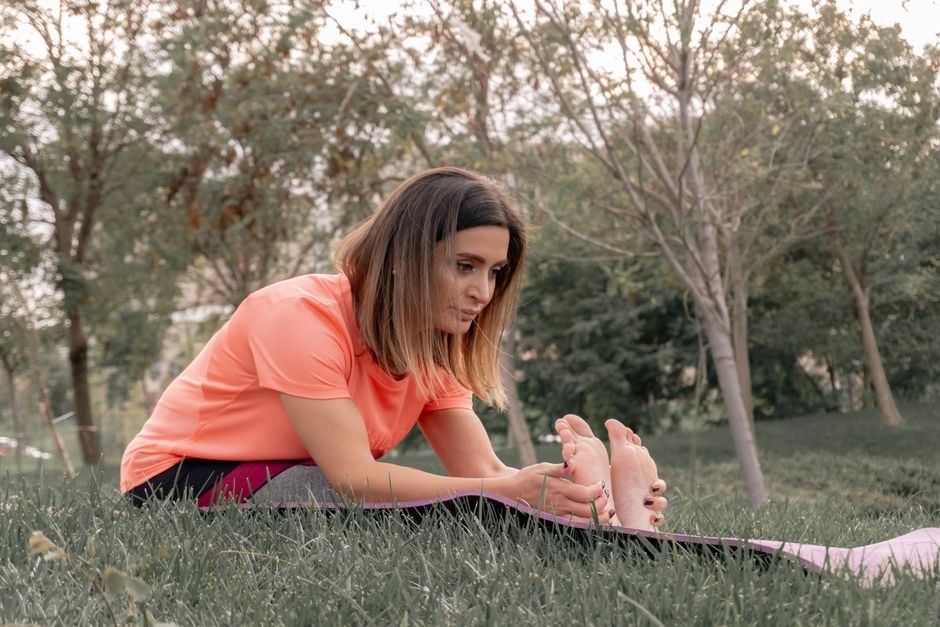
Dewan Bandaraya Kuala Lumpur has confirmed it will run free weekly fitness sessions for senior residents at 14 public parks across the city starting July 2026, targeting the estimated 11.3 percent of KL's population now aged 60 or older. The sessions, coordinated through DBKL's Parks and Recreation Division, are open to any resident who registers at their nearest community management centre, with no income threshold or membership fee attached.
The timing is deliberate. Malaysia's Department of Statistics placed the national proportion of older adults at 10.4 percent in its 2023 Population and Housing Census, and urban projections put Kuala Lumpur on course to cross the 15 percent mark by 2035. Health professionals at Hospital Kuala Lumpur on Jalan Pahang have for years flagged low physical activity rates among city seniors as a driver of preventable chronic conditions — hypertension, Type 2 diabetes, musculoskeletal decline — that translate into avoidable public spending. A city-funded, zero-cost outdoor program removes the main barrier most older residents cite: cost.
Where the sessions are running
Two flagship locations launch first. Taman Tasik Titiwangsa in Jalan Kuantan will host Monday and Thursday morning sessions from 7 a.m., led by certified instructors contracted through the Malaysian Sports Council. Taman Metropolitan Kepong, a 232-hectare park off the Kepong interchange, takes Tuesday and Saturday slots. Both venues already have covered exercise pavilions and accessible toilet blocks, which city planners say made them the logical first sites. By August, the program is scheduled to extend to Taman Permainan Chow Kit, Taman Desa in Kuchai Lama, and three parks in the Cheras corridor including Taman Connaught.
The workout format draws on low-impact disciplines — seated tai chi, resistance band training, and balance drills — structured around a 45-minute circuit that instructors can scale for participants with limited mobility. DBKL's social services arm is coordinating with the National Council for Senior Citizens Organisations Malaysia, known as NACSCOM, to identify residents with mobility aids or early-stage dementia who may need additional support before joining open group classes.
What the evidence says
Group exercise programs for older adults are not new in KL, but they have historically been fragmented. The Rakan Muda initiative and various PPR flat management bodies have run ad hoc morning exercise sessions for years, yet participation surveys from Universiti Malaya's Faculty of Medicine found in a 2024 study of 620 senior urban dwellers that fewer than 22 percent exercised more than twice weekly. Cost was the primary deterrent cited by 41 percent of respondents who were inactive. That figure directly shaped the DBKL proposal, according to the division's briefing documents circulated to ward councillors in May.
Globally, Seoul's public park-based senior wellness program — which operates out of 850 sites and serves roughly 1.2 million participants annually — is the comparison DBKL planners reference internally. KL's 14-site rollout is modest by that measure, but city hall has budgeted RM 2.4 million for the first 12-month cycle and built in a review clause: if attendance across all sites exceeds 3,000 registered users by December 2026, the program gets automatic budget consideration for expansion in the 2027 municipal estimates.
Residents who want to join should bring their MyKad to the nearest Community Management Centre — Pusat Pengurusan Komuniti — before the end of July to receive their participant card, which doubles as attendance tracking for the council's data collection. The card is free. Sessions are cancelled only during red-level weather alerts. Participants with existing cardiovascular conditions or recent joint surgery are advised to consult a physician before their first session; the city's Klinik Kesihatan network, with outlets in Chow Kit, Bangsar, and Wangsa Maju, offers free GP consultations for those with a KL address. The instructors are not medical practitioners, and DBKL has been explicit about that distinction in its public communications — the program is fitness maintenance, not rehabilitation.