Business
Kuala Lumpur Office Market Trends: Flexible Workspace Wins
Explore how Kuala Lumpur's office market is shifting toward flexible workspace and hybrid solutions. Discover which operators are gaining ground in 2024.
3 min read
Updated 12 h ago
Business
Explore how Kuala Lumpur's office market is shifting toward flexible workspace and hybrid solutions. Discover which operators are gaining ground in 2024.
3 min read
Updated 12 h ago
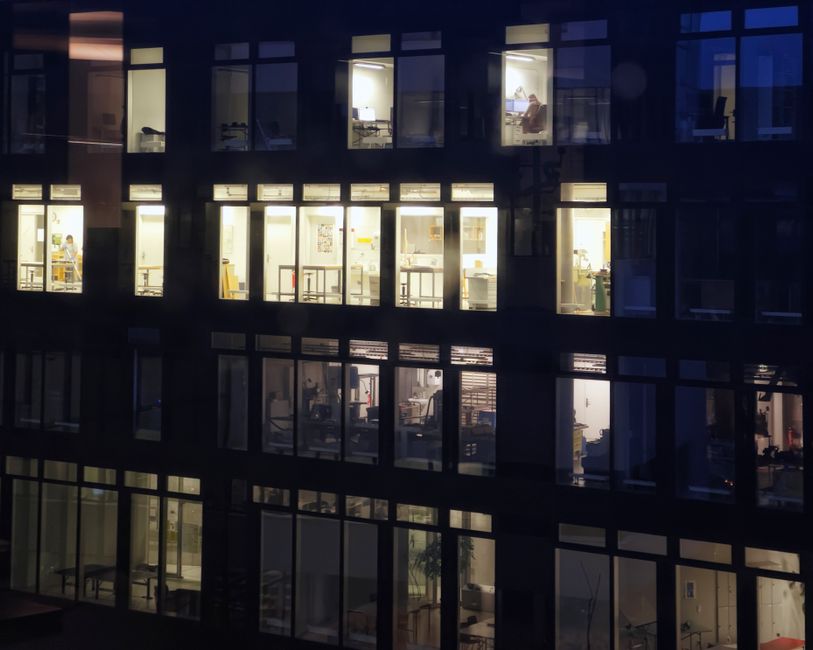
The Kuala Lumpur office market is undergoing a quiet but decisive transformation. After years of pandemic-driven uncertainty, the landscape has stabilised around a new reality: demand for conventional nine-to-five office space continues to soften, but emerging segments are generating genuine investment momentum.
The shift is most visible across the Golden Triangle and Sentral districts. While Grade A towers along Jalan Tun Razak and the Petronas Twin Towers precinct report modest occupancy gains, the real winners are operators managing flexible workspace and hybrid-friendly facilities. Serviced office providers and co-working platforms have expanded their footprint from Bangsar South to Menara KL, capitalising on companies seeking shorter lease commitments and facilities designed for agile working arrangements.
Data from the Real Estate and Housing Developers' Association Malaysia reflects this bifurcation. Traditional office leasing in the city centre remains competitive, with prime space commanding RM6.50 to RM8.00 per square foot monthly—rates that have plateaued since 2024. Yet secondary locations such as Subang Jaya and Shah Alam are attracting regional operations and back-office functions seeking cost efficiency, driving mid-market rents upward by roughly 4-6 percent year-on-year.
The property owners benefiting most are those repositioning assets. Several major landlords have begun subdividing larger floor plates and investing in contemporary amenities—high-speed connectivity, wellness facilities, and collaborative zones—that appeal to tech companies, consulting firms, and multinational corporations operating hybrid models. These enhancements command rental premiums of 10-15 percent above comparable unrefurbished space.
Smaller, agile operators are thriving too. Independent co-working ventures and boutique serviced office firms have captured market share by targeting startups, freelancers, and smaller professional services firms priced out of conventional leases. Several have opened branches in mixed-use developments like Empire Shopping Gallery and The Starhill, blending office provision with retail and hospitality—a model that diversifies revenue and attracts talent beyond traditional business districts.
The sustainability angle is also shaping winners. Landlords pursuing green building certification or energy efficiency upgrades are attracting multinational tenants with strict environmental procurement policies, justifying slightly elevated rents and securing longer occupancy periods.
For occupiers, the fragmentation means real choice. Companies no longer face a binary choice between expensive Grade A towers and distant suburban parks. The middle market—quality space in accessible locations with flexible terms—is now where competition and innovation are fiercest.
The opportunity, simply put, belongs to those willing to adapt faster than the market expects.
This article was compiled by AI and screened before publishing. See our editorial standards.

Business

Business

Business
Business
About this article
Published by The Daily Kuala Lumpur
Spread the word
Daily brief
Free, in your inbox before 7am. Weekdays.
The Daily Network — local news across Australia