Business
Kuala Lumpur Rents and Jobs Shift: July's Guide for Residents
From Chow Kit to Bangsar South, the mid-year picture for ordinary Kuala Lumpur households is complicated — here is how to read it.
4 min read
Business
From Chow Kit to Bangsar South, the mid-year picture for ordinary Kuala Lumpur households is complicated — here is how to read it.
4 min read
Kuala Lumpur's unemployment rate held at 3.3 percent through the second quarter of 2026, according to figures released last week by the Department of Statistics Malaysia, but the headline number flatters a labour market that feels considerably tighter on the ground. Contract work, gig roles and part-time positions account for a growing share of that employment — meaning take-home pay for many residents is not keeping pace with what they see on price tags at Mydin, Jaya Grocer or the neighbourhood mamak.
The timing matters. Global geopolitical shocks — instability in the Middle East following leadership transitions in Iran, and continued supply-chain disruptions out of Europe — are feeding into freight costs and raw-material prices. Malaysian importers who source electronics components, processed foods and pharmaceuticals from European and Middle Eastern suppliers are already signalling they cannot absorb those costs indefinitely. Consumers will eventually feel it.
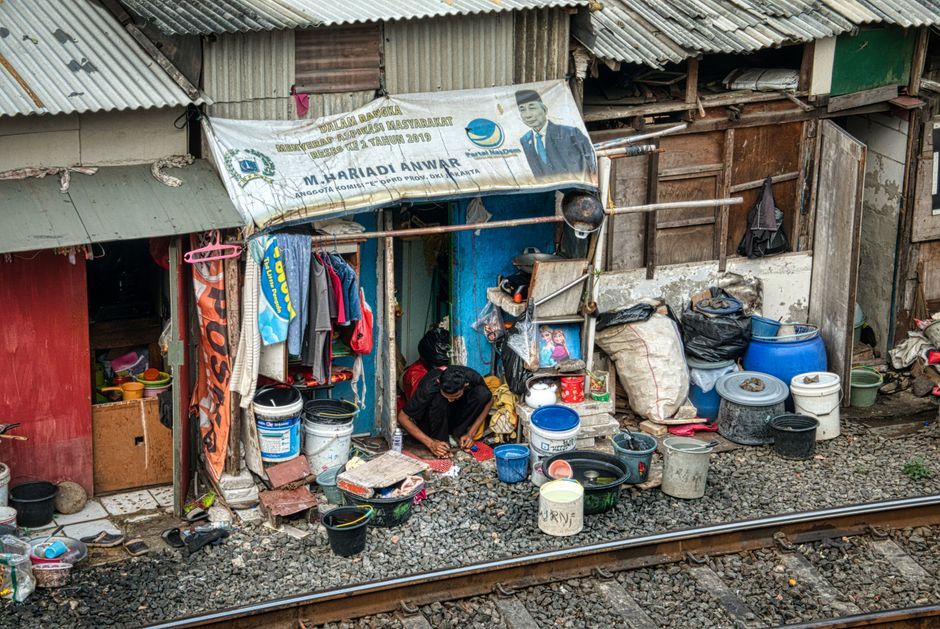
Residential property in the city is splitting sharply along an ownership fault line. Owners of landed homes in Taman Tun Dr Ismail and Damansara Heights have watched valuations edge up another 6 to 8 percent over the past twelve months, buoyed by demand from expatriates and returning Malaysians. Renters in Chow Kit, Titiwangsa and parts of Wangsa Maju tell a different story. Average monthly rents for a standard 850-square-foot apartment in those areas have crossed RM1,400 to RM1,600 — up from roughly RM1,200 eighteen months ago — squeezing households that were already allocating 35 to 40 percent of monthly income to housing.
The Housing Credit Guarantee Corporation, under the Finance Ministry, expanded its MyHome scheme eligibility in March 2026 to include gig-economy workers with documented EPF contributions. Take-up has been modest so far — fewer than 2,000 new applicants processed by end-June — partly because banks still apply conventional income-verification standards during the final credit assessment. Residents who believe they qualify should request a pre-assessment letter before committing to a sales-and-purchase agreement, because the scheme's subsidy is capped at properties priced below RM300,000, and very little new stock in KL proper falls within that band.
The Tun Razak Exchange financial district continues to generate white-collar hiring, with several international banks and fintech firms expanding their KL operations through 2026. HSBC, which anchors its regional shared-services hub there, posted 340 open positions in Malaysia in the first half of this year alone. Meanwhile, the construction pipeline in Bandar Malaysia — the 197-acre mixed-development project near KL Sentral — is driving sustained demand for skilled tradespeople: electricians, plumbers and HVAC technicians are in short supply, and contractors are offering day rates that have risen 20 percent since late 2024.
Small traders face a different pressure. The introduction of a revised service-tax structure in January 2026, which extended the 8 percent rate to more business-to-business services, has pushed up operating costs for independent food-and-beverage operators along Jalan Telawi in Bangsar and the Lorong Tuanku Abdul Halim hawker strip. Several stall operators in the Chow Kit wet market have flagged to their trade association, the KL Hawkers and Petty Traders Association, that ingredient costs for a standard nasi campur spread are roughly 18 percent higher than a year ago, while customer spending per visit has barely moved.
For residents trying to manage through the back half of 2026: check EPF Account 3 withdrawal eligibility if you face a short-term cash crunch — the flexible third account, introduced in May 2024, allows partial withdrawal without penalty. Monitor Bank Negara's Overnight Policy Rate decisions; the next Monetary Policy Committee meeting falls on 5 August 2026, and any rate adjustment will feed directly into variable-rate mortgage payments. And if you are apartment-hunting, concentrate your search in Kepong, Setapak and Alam Damai, where supply is higher and landlords are showing more willingness to negotiate twelve-month packages with reduced deposits.
Business

Business

Business
Business
About this article
Published by The Daily Kuala Lumpur
Spread the word
Daily brief
Free, in your inbox before 7am. Weekdays.
The Daily Network — local news across Australia