Kuala Lumpur's calendar of festivals and cultural events has become so densely packed in 2026 that venues across the city are already juggling bookings through December. The shift reflects something deeper than programming logistics: the capital is deliberately constructing a cultural identity distinct from both its corporate finance sector and its role as a gateway tourist destination.
The timing matters. While global cities from Tehran to Moscow grapple with political upheaval and climatic stress, Kuala Lumpur's creative institutions are doubling down on programming that speaks to local audiences first. This inward focus—what curators call "rooting outward"—is reshaping how residents and diaspora communities understand their own city.
Consider the scale of this year's commitments. The Kuala Lumpur International Film Festival, now in its 26th year, has allocated RM4.2 million in production support for Southeast Asian filmmakers, a 35 percent increase from 2024. The festival runs across three venues: Pavilion KL's cinema complex in Bukit Bintang, the historic Petronas Twin Towers screening rooms, and the newly renovated Capitol theatre on Jalan Bukit Bintang, which reopened last March after a three-year restoration.
But the festival circuit extends well beyond film. The Pentas 1 venue at the Petronas Performing Arts Centre has commissioned eight original theatrical works by Malaysian playwrights for its 2026 season, starting with "Tiga Hari Sebelum" (Three Days Before) in August. Over on the eastern side of the city, the Malaysian Heritage Society is anchoring a month-long series of heritage walks and talks at various locations from the Federal Court building in Jalan Sultan Hishamuddin to Kampung Baru's colonial-era shophouses.
Programming as Identity
What distinguishes Kuala Lumpur's current cultural moment is not novelty alone but intentionality. Arts organisations have moved away from the festival-as-attraction model—where events exist primarily to draw tourists—toward programming that serves community cohesion and cultural conversation.
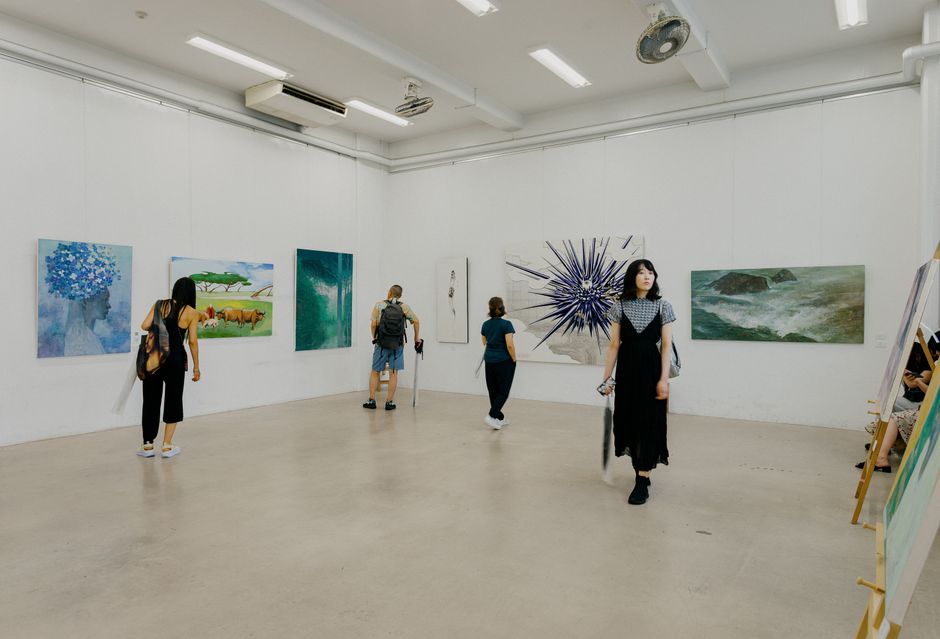
The Taksu Gallery on Jalan Thambypillai in Bangsar is hosting "Plural Geometries," a six-month survey of contemporary Malaysian art that opens July 18 and deliberately eschews the commercial gallery circuit's usual international focus. Entry is RM25, with free sessions for students and seniors every Thursday. The exhibition includes work from 47 artists, 31 of whom are based in Malaysia.
Street-level programming has expanded too. The Selangor Turf Club grounds, which borders Kuala Lumpur's eastern edge, is hosting eight weekend "Night Markets and Crafts" events from July through October, featuring local makers, food producers, and performance artists. Previous editions drew 8,000 to 12,000 visitors per night, according to organisers. Nearby, the George Town Heritage Trail model has been adapted for a new "Kuala Lumpur Heritage Walk" series that begins every Saturday and Wednesday at 9 a.m. from the Sultan Abdul Samad Building's information desk.
Data from the Kuala Lumpur Creative Industry Department shows that in-city attendance at cultural events increased 42 percent between 2023 and 2026, while tourist attendance at the same events dropped from 58 percent to 31 percent of total visitors. That reversal suggests residents are now the priority audience, not an afterthought to international marketing.
What Comes Next
For anyone looking to engage with this identity work, the next six months offer practical entry points. Festival passes for the film festival (November 1-15) sold out at the RM180 rate last week but single screenings remain available at RM20 each. The heritage walks are free but require advance registration through the Malaysian Heritage Society website. Evening programming at Pentas 1 tickets range from RM40 to RM150 depending on the production.
The cultural calendar isn't solving Kuala Lumpur's infrastructure or equity challenges. But it is doing something more fundamental: giving residents reason to understand their city as a site of ongoing cultural invention, not merely as a place to work or pass through.