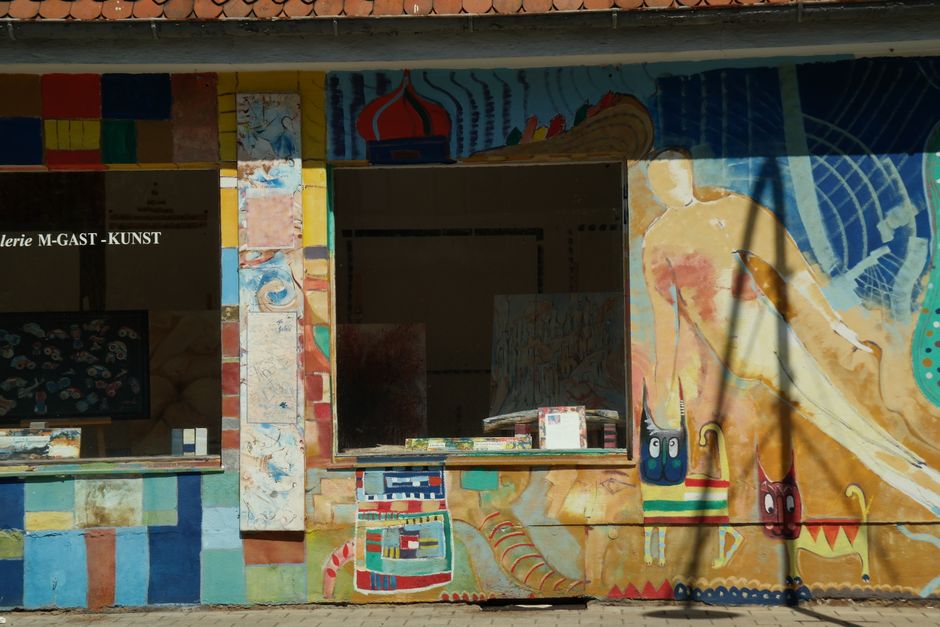
Kuala Lumpur's street art scene has exploded in the past three years, turning forgotten alleyways into open-air galleries and establishing the city as a serious contender in the global design conversation. What began as scattered murals in Kampung Baru has crystallised into a deliberate strategy: the creative industries are now shaping how the city sees itself.
The shift matters because it arrives at a moment when Kuala Lumpur is recalibrating its identity. While Europe grapples with climate crises and geopolitical upheaval, and global cities jockey for cultural prestige, KL is betting that homegrown design talent and visual culture can anchor its place in the 21st-century economy. The street art boom signals something deeper than aesthetics—it's about economic opportunity, neighbourhood revitalisation, and who gets to tell the city's story.
But the action has spread beyond heritage precincts. Petaling Street, historically a wet market and textile hub, has become a secondary creative corridor. The Petaling Street Design Quarter initiative, backed by the Kuala Lumpur City Hall's Creative Industries Office, began mapping murals and pop-up gallery spaces in 2025. Shop owners report that foot traffic increased 22% in the first year after the program launched, according to a survey by the Petaling Street Merchant Association.
Cheras, too, has seen intervention. The Cheras Kailash Mural Project, a community-led initiative, transformed a 400-metre stretch of the neighbourhood's main commercial strip with work addressing themes of multiculturalism and urban life. Local businesses there report that Instagram mentions of their shops tripled following the project's completion last October.
The Economics of Visibility
Street art doesn't pay the bills—unless you design it into a city strategy. Kuala Lumpur's Creative Cities Framework, adopted by city council in early 2025, allocated RM 4.2 million for public art infrastructure over the next five years. That money funds maintenance, artist commissions, and a fledgling licensing scheme for property owners who permit murals on their buildings.
The numbers reveal appetite. Since the framework launched, the city has granted permits for 187 public murals across designated creative districts—a jump from 34 across the entire city in 2023. The Kuala Lumpur Design Week, held annually since 2022, drew 58,000 visitors last year, with the street art tours accounting for nearly a quarter of attendance.
Artists themselves still struggle. Most commissioned mural work pays between RM 2,500 and RM 8,000 per project, according to interviews with four practising muralists. That's workable for established names but insufficient for emerging talent supporting themselves in a city where studio rent in central areas runs RM 1,500 monthly. Several artists interviewed said they rely on freelance graphic design, T-shirt printing, or teaching to bridge the gap.
What's changed is legitimacy. Five years ago, street art occupied legal grey zones. Now, with the city's blessing, landlords compete to host murals. Young Malaysians can actually list public art on their CV as professional work—something that registers differently with international design firms and cultural institutions than it did in 2023.
The next phase depends on whether investment follows visibility. Several private developers have begun incorporating street art briefs into urban renewal projects in Bukit Bintang and Sentul, signalling that commercial real estate sees cultural cachet as tradeable. For Kuala Lumpur, the wager is clear: creative districts attract talent, talent attracts money, and money sustains culture. Whether the city can keep that cycle running without pricing out the artists and communities that made these spaces worth painting in the first place will define whether this moment becomes a genuine shift or merely another gentrification cycle wearing a mural.