finance
KL Property Developers Cash In as Investment Shifts
Global instability redirects capital flows to Kuala Lumpur, benefiting large investors while widening wealth gaps for ordinary residents.
Listen in English · 4 min
How we reported this
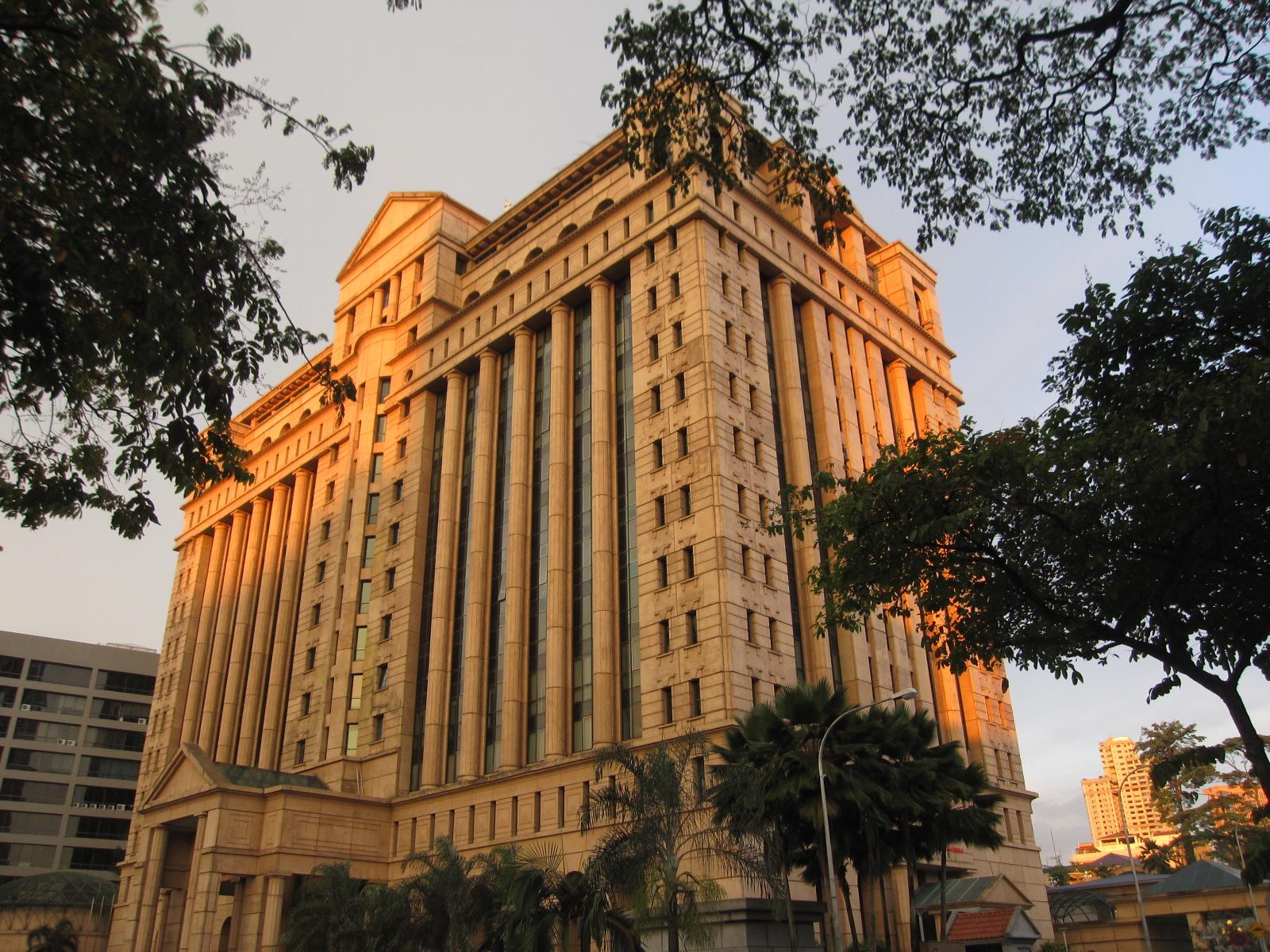
Geopolitical tremors rippling across the Middle East, Europe's climate-driven economic strain, and currency volatility are triggering a significant capital migration towards Southeast Asia. Kuala Lumpur is squarely in the crosshairs, and early movers are already reaping substantial rewards.
Property prices in the Klang Valley have surged 12-15% over the past eighteen months, according to local real estate analysts. Developments in Bangsar, Damansara Heights, and the emerging Tun Razak Exchange (TRX) precinct have attracted institutional investors fleeing less stable markets. A three-bedroom unit in mid-range condominiums around Bukit Bintang that traded at RM650,000 in early 2025 now commands RM740,000. Developers and early investors who positioned themselves before this wave began are pocketing gains of RM100,000 to RM300,000 per property.
Technology and fintech sectors are equally buoyant. Kuala Lumpur's growing reputation as a regional financial hub has drawn venture capital from Singapore, Hong Kong, and beyond. Startups clustered around the Menara CIMB and Jalan Tun Razak corridors report funding rounds closing at 20-30% higher valuations than comparable pitches two years ago. Founder-led companies that secured early-stage capital are now commanding premium positions in Series A and B funding rounds.
Yet this windfall remains concentrated. While property developers, venture capitalists, and established business families leverage these opportunities, cost-of-living pressures are intensifying for ordinary Malaysians. Rental prices in accessible neighbourhoods like Wangsa Maju and Kepong have climbed 8-10% annually. A modest two-bedroom apartment that rented for RM1,200 monthly in 2024 now commands RM1,400. Meanwhile, consumer inflation has outpaced wage growth for most workers across the service and manufacturing sectors.
The paradox is stark: Kuala Lumpur is simultaneously experiencing a boom and a squeeze. Foreign direct investment is flowing in, commercial real estate yields are attractive, and multinational corporations are establishing regional headquarters in the city. Yet local purchasing power for housing, transportation, and essentials has eroded for those without existing asset bases or access to capital markets.
Economists observe that Malaysia's window of opportunity is real but finite. Investors betting on medium-to-long-term regional stability have concrete reasons to act now. However, policymakers face mounting pressure to ensure that KL's renaissance does not deepen inequality. Infrastructure projects, inclusive housing initiatives, and wage-growth policies will likely dominate political discourse in the months ahead as the city navigates its next chapter.
This article is general information only and is not personal financial or investment advice. Consider your own circumstances and seek licensed professional advice before making financial decisions.