News
Migrant Workers KL: New Registration System Launched
Kuala Lumpur announces digital registration for 180,000 domestic workers and fast-tracks citizenship pathways. What this means for migrant integration in Malaysia.
3 min read
Updated 12 h ago
News
Kuala Lumpur announces digital registration for 180,000 domestic workers and fast-tracks citizenship pathways. What this means for migrant integration in Malaysia.
3 min read
Updated 12 h ago
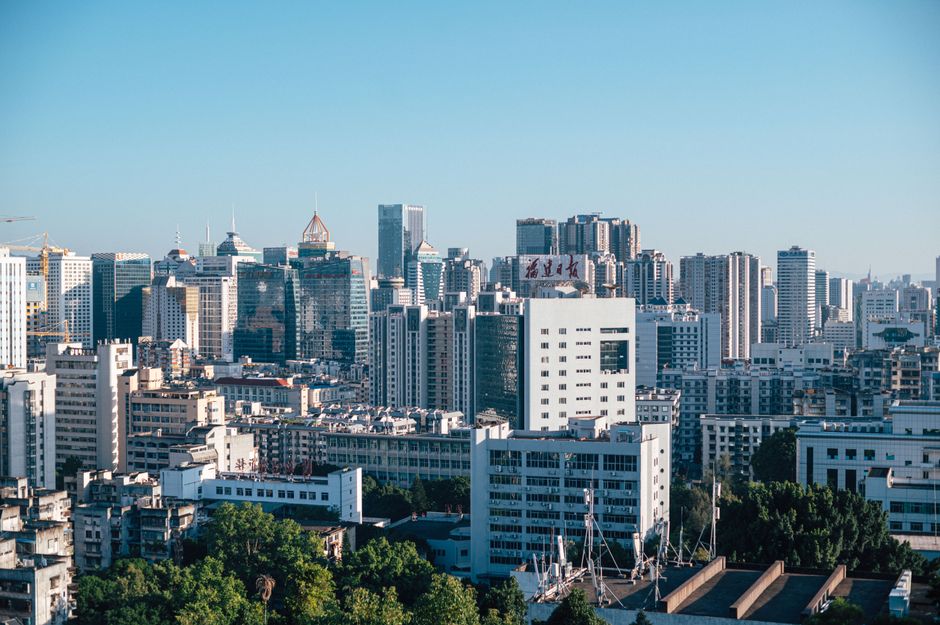
Kuala Lumpur's multicultural fabric took centre stage this week as government agencies, civil society groups, and community organisations announced fresh initiatives aimed at better integrating migrant workers and fast-tracking citizenship pathways for long-term residents.
On Tuesday, the Ministry of Home Affairs unveiled a streamlined digital registration system for migrant domestic workers across the Klang Valley, addressing longstanding concerns about labour rights and worker visibility. The platform, launching at the Immigration headquarters in Putrajaya next month, will cover an estimated 180,000 registered domestic workers in the greater KL area, according to ministry officials. The move comes as housing costs in neighbourhoods like Cheras and Sentosa continue climbing—rental prices for two-bedroom apartments averaging RM1,200 to RM1,600 monthly—pushing lower-income migrant families into shared accommodation.
Simultaneously, civil rights organisations including the Kuala Lumpur-based Migrant Workers' Rights Network reported successful mediation in three wage dispute cases involving construction workers on the MRT3 Circle Line project. The cases, resolved through newly established arbitration panels, underscored growing institutional attention to migrant labour conditions in the capital's ongoing infrastructure boom.
Separately, the Pertubuhan Kebajikan Islam Malaysia, a major faith-based social support organisation, announced expanded language and civic integration programmes at its community centres in Sentul, Wangsa Maju, and Kampung Baru. The initiative, funded partly through corporate partnerships, targets second-generation migrant children and aims to improve Malay language proficiency and understanding of constitutional frameworks—practical steps reflecting both the unity government's emphasis on social cohesion and growing recognition that migration patterns are reshaping KL demographics.
Meanwhile, the Malaysian Employers Federation flagged renewed demand for skilled foreign talent across technology, healthcare, and hospitality sectors. Preliminary data suggests tech companies in the KLCC area and Bangsar South are actively recruiting software engineers and digital specialists from regional economies, a trend reflecting Malaysia's Digital Economy ambitions and KL's positioning as a regional innovation hub.
Data from the Statistics Department indicates Malaysia's foreign-born population in urban areas has grown 3.2 per cent annually since 2023, with KL accounting for roughly 1.4 million non-citizen residents—approximately 22 per cent of the capital's population. Integration challenges remain acute: housing affordability, education access, and employment formalisation continue sparking policy debates.
Community leaders emphasise that this week's announcements, while incremental, signal sustained political will. Whether these initiatives meaningfully bridge gaps in access and representation will become clearer as implementation unfolds across the capital's diverse neighbourhoods.
This article was compiled by AI and screened before publishing. See our editorial standards.

News
News

News
News
About this article
Published by The Daily Kuala Lumpur
Spread the word
Daily brief
Free, in your inbox before 7am. Weekdays.
The Daily Network — local news across Australia