Property
Kuala Lumpur Housing Prices Climb 5.1% in Second Quarter, Outpacing Last Year’s Surge
Bukit Bintang and Desa ParkCity see sharper jumps as city property market shrugs off global uncertainty.
3 min read
Property
Bukit Bintang and Desa ParkCity see sharper jumps as city property market shrugs off global uncertainty.
3 min read
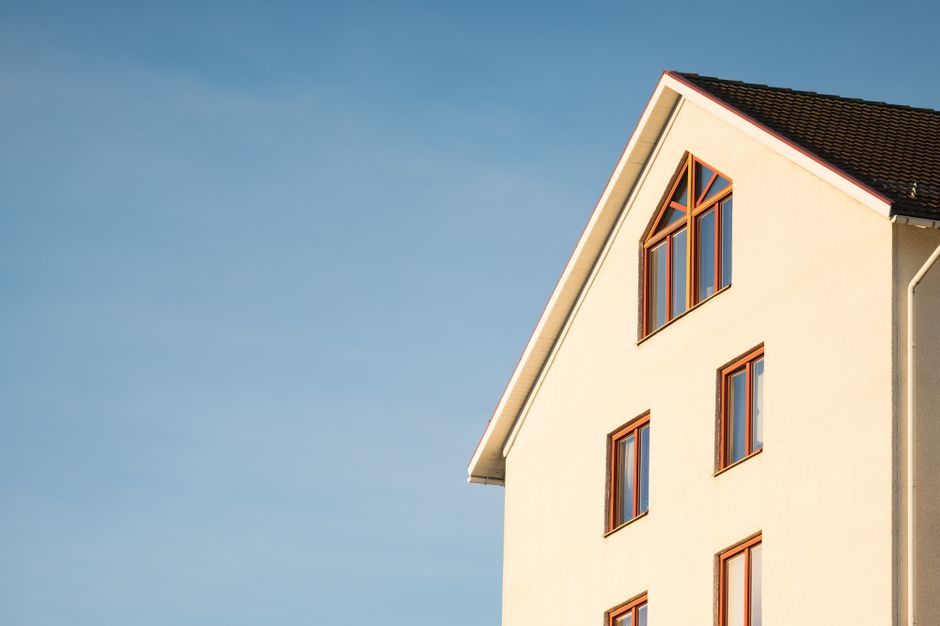
Kuala Lumpur’s residential property market recorded a 5.1% increase in median prices for the April-June quarter of 2026 compared to the same period last year, according to new figures from the National Property Information Centre (NAPIC) released on July 3rd.
This uptick comes at a time of heightened global volatility, with property analysts noting significant capital flows into Malaysia as investors search for stability amid geopolitical shocks elsewhere in Europe, the Middle East, and Africa. The city’s strong price performance also reflects pent-up local demand, as lending rates have remained steady and new completions lag behind buyers’ appetite for urban housing.
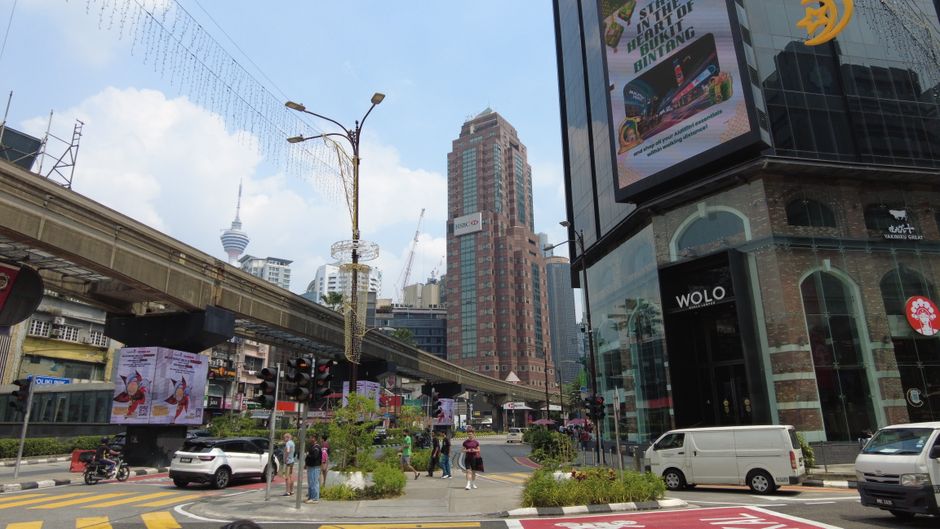
Two city neighbourhoods have grabbed particular attention this quarter. Bukit Bintang saw average asking prices for condominiums jump to RM1,390 per square foot, an 8.2% increase over Q2 2025, driven by the completion of several upmarket projects near Pavilion Kuala Lumpur and TRX. Further west, family-friendly Desa ParkCity pushed past RM950 per square foot, up 6.7% year-on-year, as the township’s low-rise offerings and amenities like The Waterfront and International School of ParkCity continued to draw well-heeled buyers from across the Klang Valley.
Developers such as S P Setia and UOA Group reported brisk sales at new launches in Mont Kiara and Bangsar, while long-standing landed enclaves like Taman Tun Dr Ismail remained in high demand with little price movement, underscoring the city’s patchwork of micro-markets.
According to NAPIC, Kuala Lumpur’s median residential transaction price hit RM564,000 in Q2 2026, up from RM537,000 in the same quarter of 2025 and RM557,000 in Q1 this year. The volume of transactions climbed 7.4% year-on-year, driven mainly by activity in the RM500,000 to RM800,000 band. New launches shrank 11% versus last year, a sign developers remain cautious despite the rebound in demand. Meanwhile, data from the Real Estate and Housing Developers’ Association Malaysia (REHDA) shows over 2,400 units of new supply entering the market during the quarter, most concentrated in Kepong and Cheras.
Secondary market transactions—especially in edge neighbourhoods like Setapak and Sri Petaling—also saw an uptick, with buyers drawn by more accessible price points and improved connectivity via the MRT Putrajaya Line, which fully opened in March 2026.
Market watchers expect Kuala Lumpur’s residential prices to maintain a modest upward trend through the second half of 2026, barring a major interest rate hike. First-time buyers are encouraged to lock in current borrowing rates and act decisively, particularly in mid-market segments where selection is tightening. Agents report a noticeable pullback in available listings across Wangsa Maju and Sentul, suggesting negotiating power may increasingly swing toward sellers in the months ahead.
Next quarter’s release from NAPIC will provide fresh insight into whether new cooling measures under consideration by Bank Negara Malaysia have any dampening effect. For now, KL’s market—buoyed by steady demand and tight supply—looks well-positioned to consolidate this year’s gains even amid economic jitters abroad.
Property
Property
Property
Property
About this article
Published by The Daily Kuala Lumpur
Spread the word
Daily brief
Free, in your inbox before 7am. Weekdays.
The Daily Network — local news across Australia