Property
Kuala Lumpur’s Rental Squeeze: Vacancy Rates Drop as Tenants Battle for Space
Intense competition among renters is driving vacancy rates to five-year lows across the capital, forcing many to make quick decisions or miss out.
3 min read
Property
Intense competition among renters is driving vacancy rates to five-year lows across the capital, forcing many to make quick decisions or miss out.
3 min read

Rental vacancy rates in Kuala Lumpur have plunged to historic lows in mid-2026, with a surge in tenant demand sparking bidding wars and fierce competition for mid-range units across the city, new industry data shows. This scramble for rental homes is squeezing would-be tenants and fundamentally shifting the traditional buy-or-rent calculus for Malaysians.
The city’s tight rental market is arriving just as inflation and higher interest rates have put home ownership further out of reach for many. Rapid increases in mortgage rates – Bank Negara Malaysia’s overnight policy rate sits at 4.25% as of June – mean more young professionals and new families are postponing buying, thereby swelling the renter pool. Landlords, meanwhile, are capitalising on this demand.
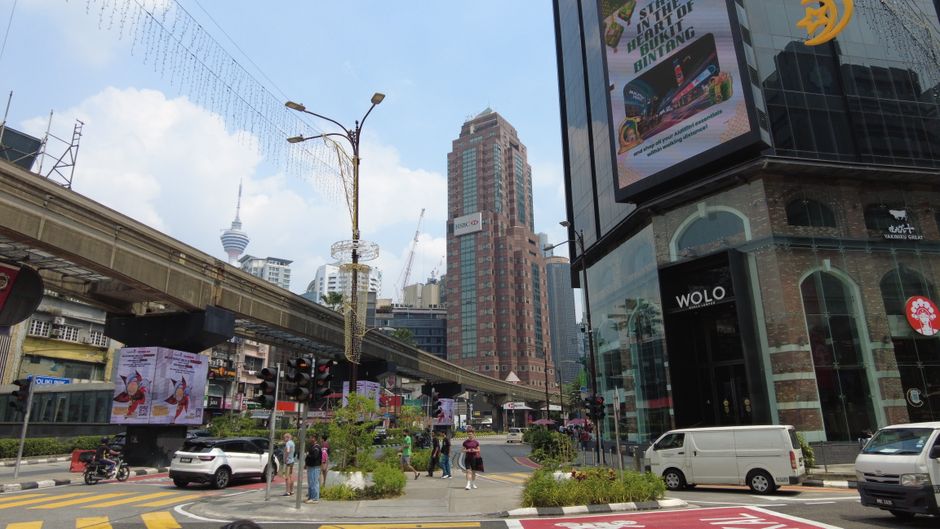
The shortage is especially acute in city centre neighbourhoods. Popular pockets like KLCC, Cheras, and Bangsar South have seen prospective tenants lining up for viewings within hours of listings appearing. According to listing platform EdgeProp, vacancy in serviced apartments around Jalan Ampang fell below 5% in June – the lowest since 2021. Meanwhile, the Mont Kiara and Desa ParkCity enclaves, once considered oversupplied, are now seeing two or more tenants outbidding each other for renovated three-bedroom units, sometimes pushing rents up by RM500 or more in a matter of days.
In Wangsa Maju, agents from PropNex Malaysia are reporting almost no available units in popular projects like Seri Riana and Riana Green East, with waiting lists for larger units exceeding 20 names. City centre studios, particularly in Bukit Bintang and along Jalan Sultan Ismail, are being snapped up within 72 hours of posting, forcing many newcomers to KL to settle for pricier or less ideal locations further afield in Setapak or Taman Desa.
Numbers from the Malaysian Institute of Estate Agents show Kuala Lumpur’s average rental vacancy rate fell from 9.1% a year ago to just 4.8% by June 2026. Typical rents in Cheras for a two-bedroom apartment have climbed to RM2,200 per month – up 13% since mid-2025. Demand is not letting up despite these increases: PropertyGuru’s June 2026 Market Index indicated rental enquiries hit a four-year high, especially for units priced below RM3,000 a month. Landlords, taking note of the demand–supply imbalance, are now requesting longer up-front tenancies, steeper deposits, and even higher renewal rates.
Agents also point to the slowdown in new project completions, partly caused by construction cost overruns after 2024’s material price spikes, as limiting supply. As a result, tenants who might have once upgraded within the city now find themselves locked in or competing harder for limited slots in established buildings.
Experts say the outlook is unlikely to soften in the next 12 months. Prospective tenants should be prepared: Have documentation ready, move quickly on viewings, and consider engaging a reputable local agent to avoid disappointment. For those weighing rent versus buy, current lending costs mean renting still makes short-term sense—but only for those who can secure a lease in KL’s most in-demand districts. The balance of power, for now, has shifted sharply to landlords, and those seeking bargains will need to look further afield or be willing to compromise on space and amenities.
Property
Property
Property

Property
About this article
Published by The Daily Kuala Lumpur
Spread the word
Daily brief
Free, in your inbox before 7am. Weekdays.
The Daily Network — local news across Australia