Property
As Leases Expire in KL’s Tight Rental Market, What Can Renters Do?
Options are narrowing for renters in Kuala Lumpur as supply dries up and renewal rates climb.
3 min read
Property
Options are narrowing for renters in Kuala Lumpur as supply dries up and renewal rates climb.
3 min read

With rental property listings in Kuala Lumpur falling to their lowest level in over three years, thousands of tenants face difficult choices as leases expire in July and August, a period that typically sees a rush of renewals and moving activity.
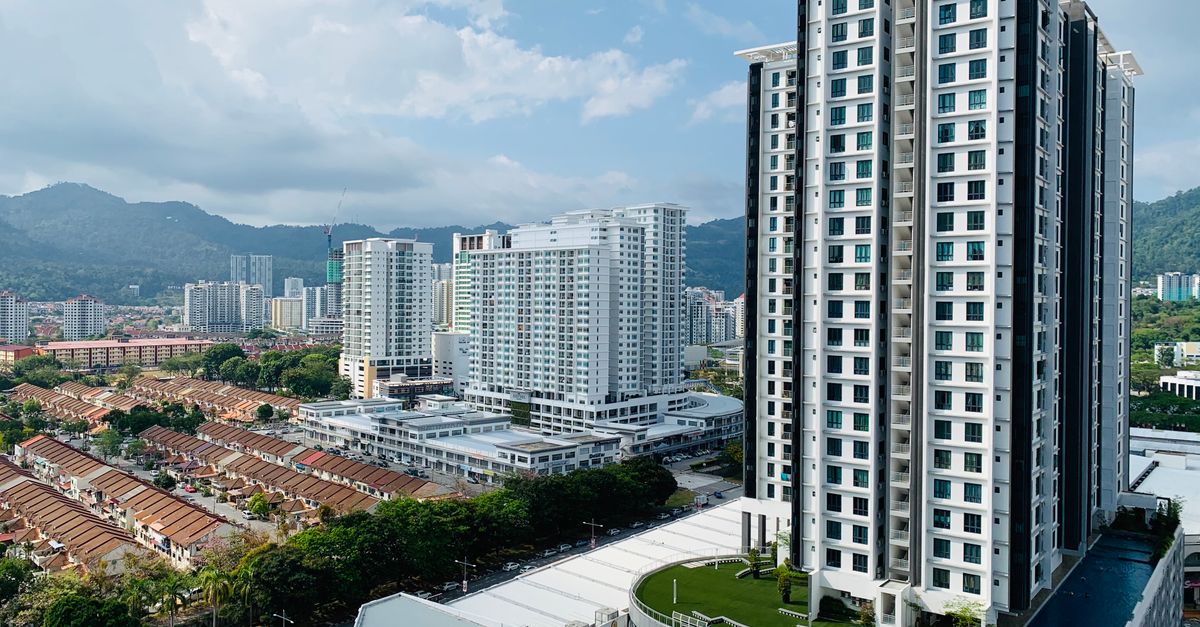
Finding a new apartment in hotspots like Mont Kiara or Bangsar is now harder than at any time since 2021, local agents warn. The squeeze comes as median rents have shot up by 15% since early 2025, according to platforms such as iProperty and EdgeProp, and prospective buyers still face stringent mortgage requirements and high downpayments.
Timur and Associates, one of Kuala Lumpur’s longest-standing rental agencies, confirmed to The Daily Kuala Lumpur that current rental inventory in KL Sentral is less than 60% of what it was just 18 months ago. In developments like The Sentral Residences and Aria Luxury Residence on Jalan Tun Razak, available units are snapped up within days—often above asking price. At the same time, new projects like TRX Residences are largely marketed towards cash-rich buyers, rather than everyday renters.
In Cheras, single-room units that fetched RM1,200 a month last year now often go for RM1,400 or more, forcing many tenants to consider areas further from the city centre, such as Desa ParkCity or Kepong. "It’s definitely a landlord’s market," said one property manager from Desa ParkCity, summarising the current landscape. Even options listed on JagaMyRumah, a tenancy support program by DBKL, are now seeing waitlists of several weeks.
Recent research from REHDA showed Kuala Lumpur’s residential rental vacancy rate dipping below 7% for Q2 2026, the lowest since 2019. Meanwhile, average monthly rents for a two-bedroom unit near Publika Shopping Centre are at RM2,700, up from RM2,300 last July. For renters earning the city’s median income (RM4,500 monthly based on latest DOSM data), that means over half of their wage is spoken for by rent and utilities, squeezing budgets and making saving for a downpayment difficult.
The number of affordable housing launches, such as RUMAWIP (Residensi Wilayah) units in Setapak, has not kept pace with population growth or demand from young professionals and new families. Private rental startup Co-Liv KL reports that its shared apartments in Brickfields and KL Eco City are booked solid through October, indicating the scale of the current shortage.
Property consultants urge tenants whose leases are set to expire before October to take immediate action. “Start looking—and negotiating—at least 90 days before your lease ends,” advises rental agent platforms. Lock in renewals where possible; in places like Bangsar South or Damansara Heights, existing tenants are sometimes able to negotiate only modest increases compared to the sharp jumps in new contracts.
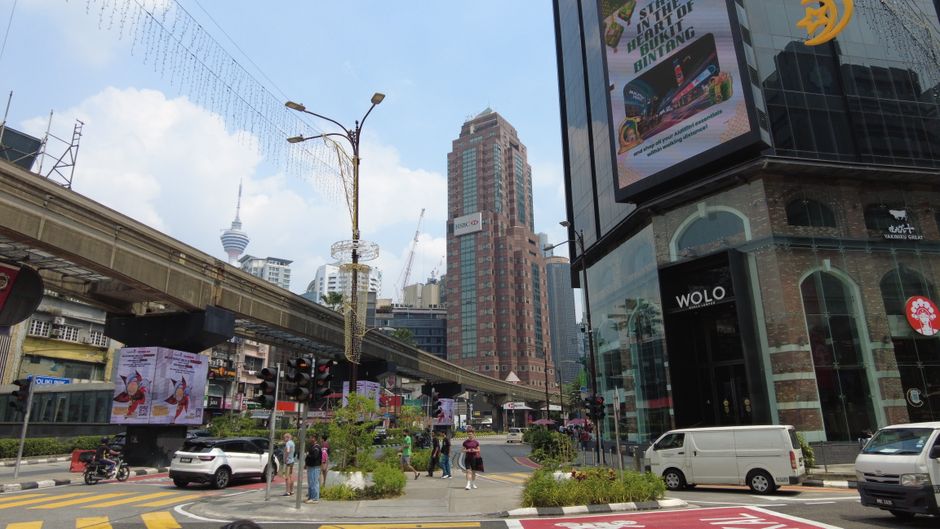
Shared accommodation or co-living models, such as those offered by Hmlet or Utopia Co-Living in Bukit Bintang, are now a practical option for many, often providing greater flexibility and fixed costs. Renters can also approach their management offices for help connecting with neighbours vacating their units, as informal word-of-mouth referrals bypass the competitive open market. Lastly, those considering buying should monitor new RUMAWIP applications, but should expect longer waiting periods and stricter eligibility checks due to surging demand.
With the rental crunch expected to persist until at least the end of 2026, tenants hoping to stay in Kuala Lumpur’s popular districts need to act early, stay flexible, and be creative with their options.
Property
Property
Property
Property
About this article
Published by The Daily Kuala Lumpur
Spread the word
Daily brief
Free, in your inbox before 7am. Weekdays.
The Daily Network — local news across Australia