Gold hit $4,187 a troy ounce on Friday, a gain of more than 4 percent in a single session, as investors piled simultaneously into safe-haven metals and high-growth equities, an unusual combination that underscored how fractured market narratives have become heading into the second half of 2026. The S&P 500 closed at 7,483, up 1.71 percent, and the Nasdaq Composite added 1.87 percent to reach 25,833, with technology and consumer-discretionary shares doing the heaviest lifting. For investors in Kuala Lumpur managing portfolios with global equity exposure, the day delivered outsized moves in almost every major asset class simultaneously.
The tech-led surge on Wall Street was the clearest winner of the session. Semiconductor names, cloud-infrastructure providers and AI-adjacent platforms all advanced sharply, pushing the Nasdaq to its best single-day performance in several weeks. Investors appeared to look past ongoing concerns about earnings-multiple compression and instead focused on forward guidance from several large-cap operators that pointed to sustained capital expenditure on data-centre buildout. The EUR/USD rate climbed to 1.1440, up 0.47 percent, suggesting the dollar gave back some ground even as American equities rallied, a dynamic that historically benefits Malaysian ringgit-denominated assets with US dollar liabilities.
Oil's Drop and Gold's Spike: The Sector Split That Matters
Energy was the session's clear loser. WTI crude fell to $68.78 a barrel, a decline of 2.78 percent, dragging oil-and-gas equities lower across major exchanges. The selloff reflected a confluence of demand-side anxiety, particularly softer-than-expected manufacturing activity data from several large importing nations, and persistent supply resilience from non-OPEC producers. For Kuala Lumpur investors, the crude weakness has a direct read-through to Bursa Malaysia-listed integrated energy companies including Petronas Chemicals and MISC, both of which track global hydrocarbon pricing cycles closely. A sustained move below $70 per barrel tightens refining margins and weighs on upstream valuations.
Gold's 4.10 percent single-session jump was harder to categorise neatly. Precious metals typically rally when investors are nervous, yet equities also surged on the same day, which points to a broader currency-debasement narrative rather than pure fear. Central banks in several emerging markets have been accumulating gold reserves through 2025 and into 2026, and that structural bid has put a persistent floor under prices. Kuala Lumpur-listed gold exposure, including producers with operations in Peninsular Malaysia and selected gold-royalty instruments traded on Bursa, will likely open Monday with a positive tailwind if spot prices hold into the weekend.
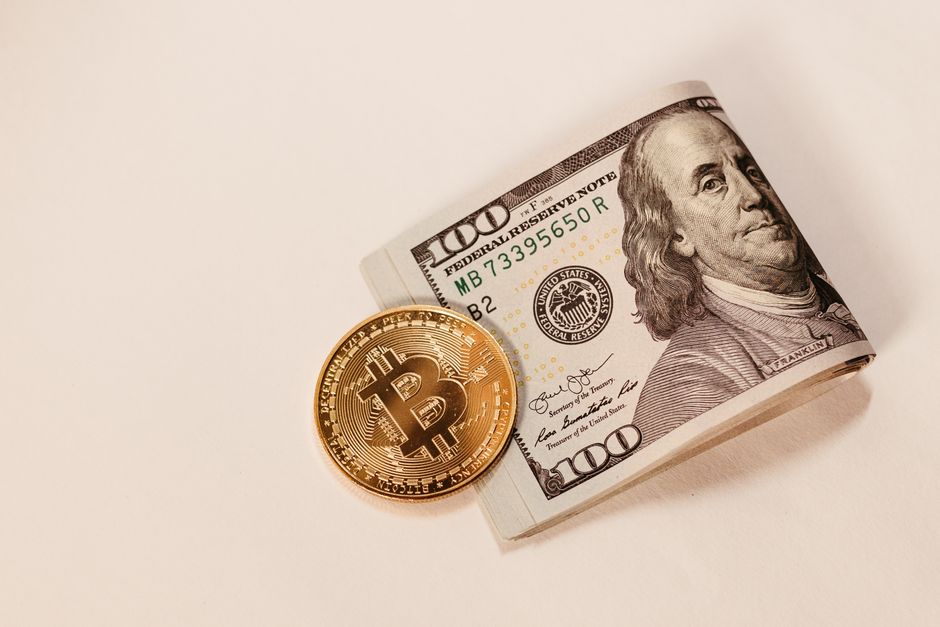
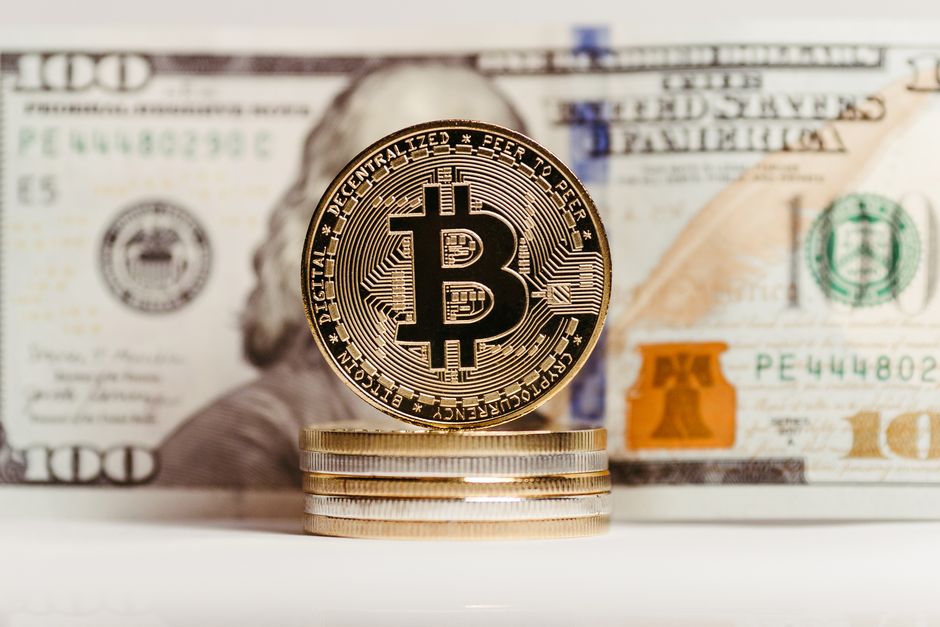
Bitcoin added 6.66 percent to reach $62,456, extending a recovery from the sub-$55,000 levels seen in late May. The move was broadly correlated with the Nasdaq's rise, reinforcing the view held by a growing number of institutional desks that the cryptocurrency now trades as a high-beta proxy for risk appetite rather than as a standalone asset class. Malaysian retail investors, who according to Securities Commission data account for a meaningful share of regional crypto-exchange volume, will note that the rally lifted most large-cap digital assets in sympathy, though volatility remains extreme relative to conventional equity exposure.
The sector rotation picture on Wall Street was pronounced. Technology, communication services and consumer discretionary all outperformed, while energy, utilities and healthcare lagged. Defensive sectors gave back recent gains as money moved toward growth. This mirrors a pattern seen repeatedly in the first half of 2026: when macro data surprises to the upside, or when a geopolitical fear premium temporarily recedes, capital rotates hard out of defensives and into the Nasdaq's largest constituents. For Kuala Lumpur fund managers running regional mandates that include US allocations, Friday's session will require rebalancing decisions before Asian markets open on Monday morning.
The currency picture adds another layer of complexity for local portfolios. The euro's gain against the dollar to 1.1440 suggests broad dollar softness, which typically provides relief for ringgit borrowers servicing USD-denominated debt and for Malaysian exporters converting dollar revenues back to local currency. The Kuala Lumpur Composite Index has historically shown a moderate positive correlation with a weaker dollar environment, particularly in export-heavy sectors such as gloves, semiconductors and palm oil. Investors monitoring Bank Negara Malaysia's next policy meeting, scheduled for later this quarter, will be watching whether the dollar's softness persists or reverses before the ringgit's trajectory becomes clearer.
The overriding takeaway from Friday is that the global market is not telling a single story. Gold at record levels argues for structural uncertainty. Equities at multi-year highs argue for confidence in corporate earnings. Crude below $70 argues for demand caution. Kuala Lumpur investors sitting at that intersection face a portfolio construction challenge that is genuinely difficult: the usual hedging relationships between these assets have loosened considerably, and the premium on getting sector allocation right has never been higher.