Gold crossed $4,187 per troy ounce on Friday, a single-day gain of 4.1 percent that puts the metal up sharply against a US dollar that is itself losing ground. The EUR/USD rate climbed to 1.1440, reflecting broad dollar softness. For Kuala Lumpur households balancing savings accounts, unit trusts and exposure to Bursa Malaysia-listed resources companies, the signal is hard to ignore: the era of dollar dominance that kept ringgit-denominated assets under pressure for much of the past decade is, at minimum, taking a pause.
Equities are also running. The S&P 500 closed at 7,483, up 1.71 percent, while the Nasdaq Composite hit 25,833, gaining 1.87 percent. Those figures matter directly to the growing segment of Kuala Lumpur retail investors who hold global equity funds through platforms such as Rakuten Trade or via the Employees Provident Fund's Member Investment Scheme, which permits a portion of Account 1 balances to be directed into approved unit trust funds with offshore exposure. A sharp US technology rally feeds directly into the net asset values of funds tracking the Nasdaq, and those NAVs are repriced in ringgit terms, which means the currency move amplifies or dilutes the return depending on which direction the dollar moves.
Today, dollar weakness amplifies the gain for Malaysian holders of unhedged US equity funds. A ringgit that buys more dollars means each unit of an offshore fund is worth marginally less when converted back, but the equity price surge is large enough on a single-day basis to more than compensate. The practical takeaway: investors who have been sitting on unhedged global equity allocations are seeing a double tailwind today, and should reassess their hedging strategy before the dollar finds a floor.
Gold, Oil and the Cost-of-Living Arithmetic
The oil picture cuts the other way. WTI crude fell to $68.78 per barrel, a drop of 2.78 percent. Malaysia remains a net oil and gas exporter, and Petroliam Nasional Berhad, the national oil company, is the single largest contributor to federal government revenue. A sustained slide in crude prices tightens the fiscal position, which has downstream consequences for public spending, subsidy reform timelines and ultimately the government's capacity to absorb cost-of-living pressures without passing them to households. The ongoing rationalisation of fuel and electricity subsidies, already a central feature of Budget 2025 and carried into the 2026 fiscal year, becomes more politically complicated when lower oil prices shrink the revenue cushion that makes subsidy reform palatable.
For the Kuala Lumpur household trying to build a budget in July 2026, the oil drop is a two-sided coin. Pump prices, which are now partly market-linked under the managed float mechanism introduced for RON95 petrol, could see downward pressure, giving some relief to the roughly 70 percent of Malaysian commuters who remain dependent on private vehicles. But the fiscal constraint that lower Petronas dividends create will show up elsewhere, whether in delayed infrastructure projects, slower civil service pay adjustments or reduced development allocations for urban housing programmes under the Madani government's agenda.
Gold's surge to $4,187 is the headline number for savers. Malaysians have a structural affinity for physical gold and gold savings accounts, with Maybank Gold Investment Account and Public Bank's gold-linked products holding significant retail balances. A 4.1 percent single-session move does not prompt a portfolio overhaul, but it reinforces the case that gold allocations of 5 to 10 percent of a household's investable assets, a range widely cited by independent financial planners registered with the Securities Commission Malaysia, are functioning as intended: a buffer against the kind of multi-asset volatility that characterises mid-2026 markets.
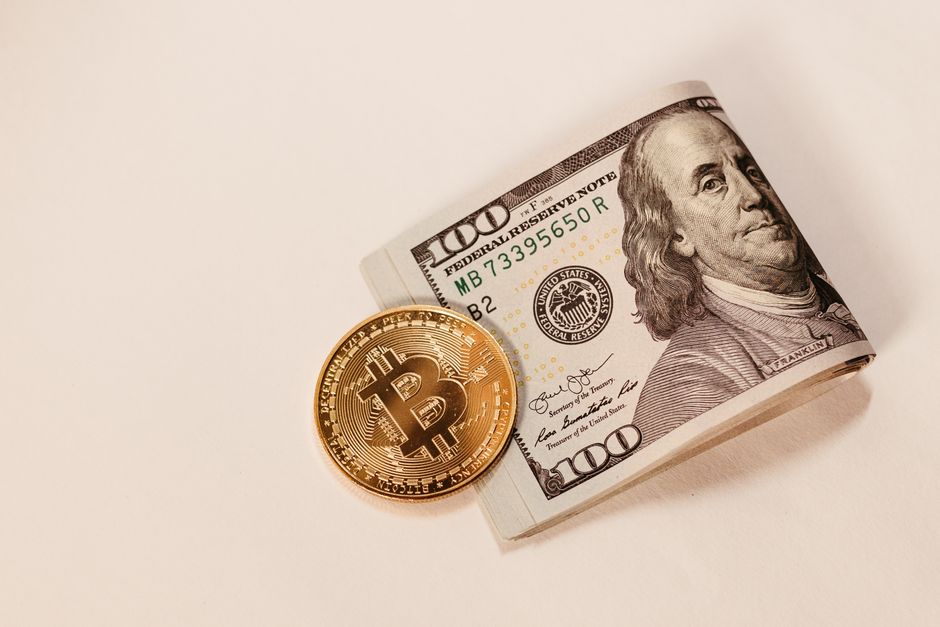
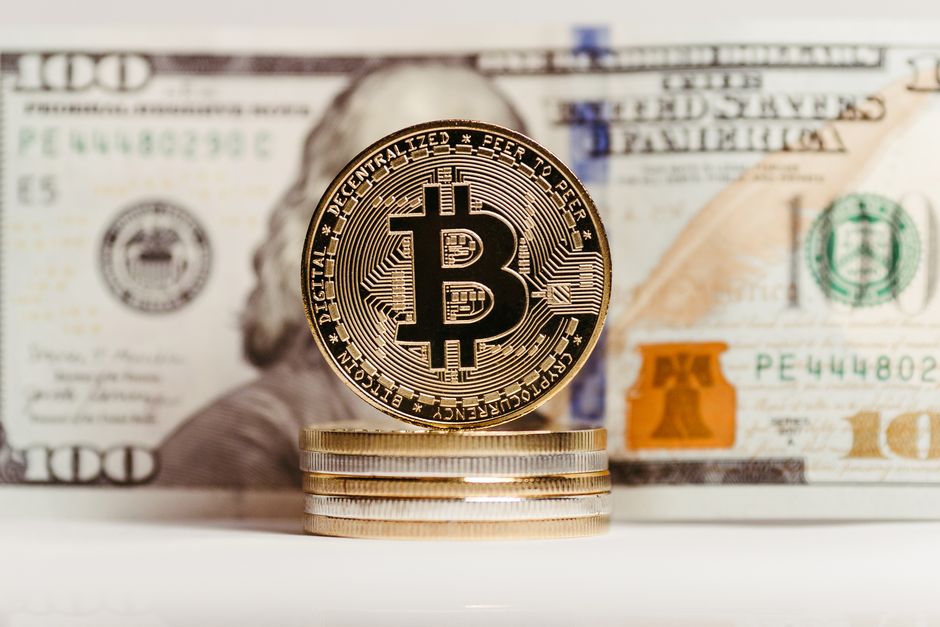
Bitcoin climbed to $62,456, up 6.66 percent on the day. The Luno Malaysia platform and a handful of Securities Commission-registered digital asset exchanges have brought cryptocurrency exposure to a larger share of younger Kuala Lumpur investors over the past three years. At $62,456, Bitcoin remains well below its prior cycle peaks, and the day's gain, while striking, sits within the asset's normal volatility range. Financial planners consistently caution that allocations above 5 percent of net investable assets in any single digital asset carry concentration risk that is inconsistent with household financial planning objectives, particularly for investors within fifteen years of retirement.
The composite picture on July 4, 2026 is one of global risk appetite returning, commodity markets diverging and the US dollar softening enough to matter for ringgit-based portfolios. Kuala Lumpur investors reviewing their mid-year position should check three things before the weekend: the currency hedge ratio on any offshore unit trust holdings, the weight of gold-linked instruments relative to fixed income in their savings mix, and whether their exposure to domestic oil and gas counters on Bursa Malaysia reflects a realistic view of where crude prices are heading into the second half of the year.