Gold broke through US$4,187 an ounce on Friday, July 4, gaining 4.10 percent in a single session, and that one number is forcing a rethink in fund rooms across Kuala Lumpur. The move is not a modest hedge-book adjustment. It signals genuine institutional fear about the durability of the dollar, the trajectory of US fiscal policy and the reliability of Treasuries as a safe-haven anchor. For Malaysian investors, particularly those with exposure to global equity funds distributed through Bursa-linked unit trusts and EPF-approved external fund managers, the implications are immediate.
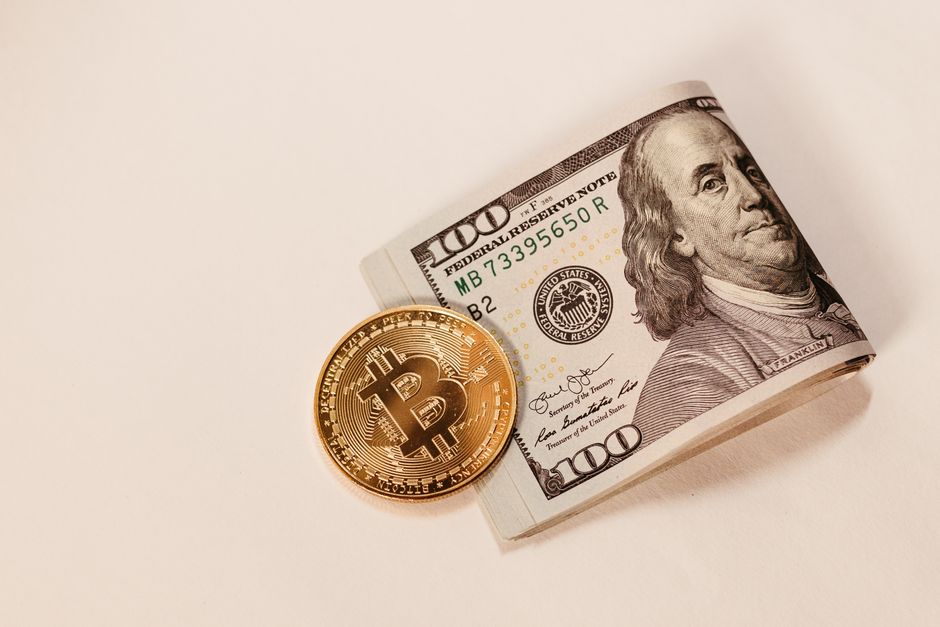
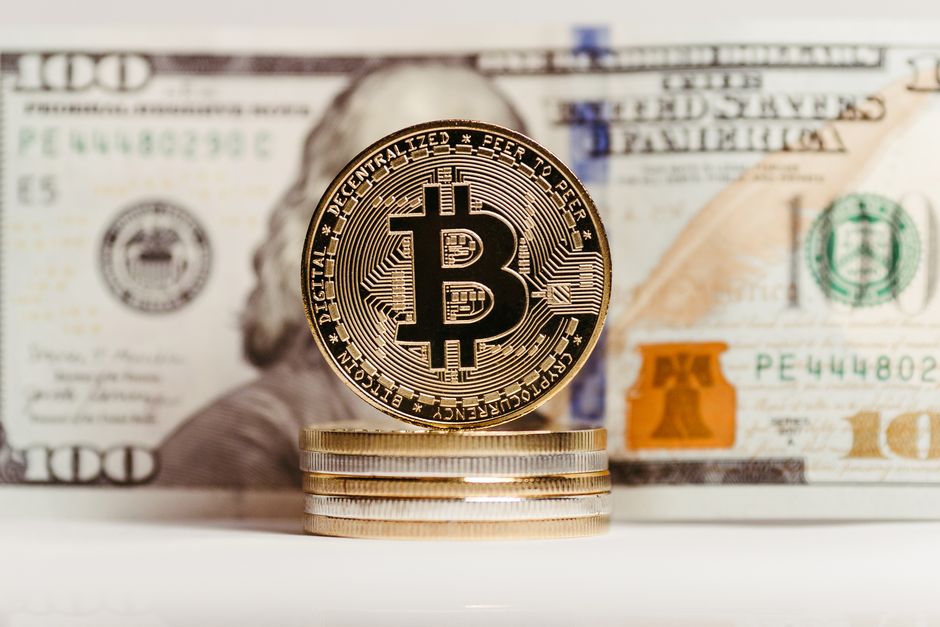
Wall Street, paradoxically, is roaring at the same time. The S&P 500 closed at 7,483, up 1.71 percent, while the Nasdaq Composite climbed to 25,833, a 1.87 percent advance driven by concentrated buying in large-cap technology. Bitcoin added 6.66 percent to trade at US$62,456. On the surface this looks like a risk-on session. It is not that simple. When gold rallies aggressively alongside equities and crypto, markets are not celebrating growth; they are repricing the cost of holding cash and short-duration bonds. That distinction matters enormously for Malaysian pension allocators and corporate treasury desks.
The Currency and Commodity Pinch on Malaysian Business
The EUR/USD rate moved to 1.1440, up 0.47 percent, reflecting continued dollar softness. The ringgit, which has historically tracked dollar weakness with a slight lag, faces competing pressures. A softer dollar ordinarily provides some relief for Malaysia's import bill, particularly on dollar-denominated energy inputs. But WTI crude fell sharply to US$68.78 a barrel, down 2.78 percent, and that changes the arithmetic for Petronas-linked counters and the broader energy sector on Bursa Malaysia. Lower crude is unambiguously negative for upstream operators and royalty-dependent state budgets, even as it cushions airline and manufacturing operating costs.
Businesses importing raw materials priced in dollars gain a marginal tailwind from the currency move. Exporters, especially those in the electrical and electronics corridor around Penang and the semiconductor supply chain feeding into global tech demand, are watching the Nasdaq's sustained momentum with cautious optimism. Demand signals from US technology spending tend to flow through to Malaysian contract manufacturers and component suppliers within two to three quarters. The Nasdaq's 1.87 percent gain on Friday is the kind of reading procurement desks in Santa Clara notice before adjusting purchase orders.
For retail investors accessing global markets through Kuala Lumpur-based fund platforms, the gold rally demands attention. Funds with significant allocations to gold ETFs or mining equities will have posted unusually strong Friday performance. The question is whether to take profit or hold through what many analysts believe could be an extended supercycle driven by central bank buying, particularly from emerging market reserve managers including those in Southeast Asia. Malaysian investors who accessed gold exposure through products such as Public Gold, or through commodity-linked unit trusts, are sitting on meaningful unrealised gains in 2026.
What Businesses and Portfolio Managers Should Prioritise
Three practical considerations stand out for the week ahead. First, corporate treasury teams carrying significant USD receivables should review their hedging positions given the dollar's recent softness; the EUR/USD move to 1.1440 is a leading indicator that dollar weakness may persist into the third quarter. Second, Bursa-listed companies with high dollar-denominated debt service costs receive a structural benefit from this environment, and credit analysts should be screening for those names in the industrial and property development sectors. Third, the Bitcoin surge to US$62,456, a 6.66 percent single-day move, reopens the conversation about digital asset allocation for Malaysian family offices and high-net-worth clients who have been sitting out the market since the 2025 consolidation period.
The crude oil slide is perhaps the most underappreciated signal. At US$68.78 a barrel, WTI is trading well below the fiscal breakeven assumptions embedded in Malaysia's 2026 budget projections. If prices hold at these levels through the third quarter, downstream ringgit flows from Petronas dividends to the federal government face compression, and that has consequences for public spending, infrastructure contract awards and the construction sector on Bursa. Fund managers running domestically focused equity portfolios need to stress-test their oil price assumptions before the next quarterly review cycle.
The overall picture heading into the second half of 2026 is one of diverging signals requiring precise positioning rather than broad-brush calls. Gold says protect capital. Wall Street says buy earnings growth. Crude says watch fiscal risk at home. Kuala Lumpur investors who treat these as contradictions will struggle. Those who understand they can coexist in a late-cycle, dollar-weakening environment will find the opportunities the data is clearly flagging.