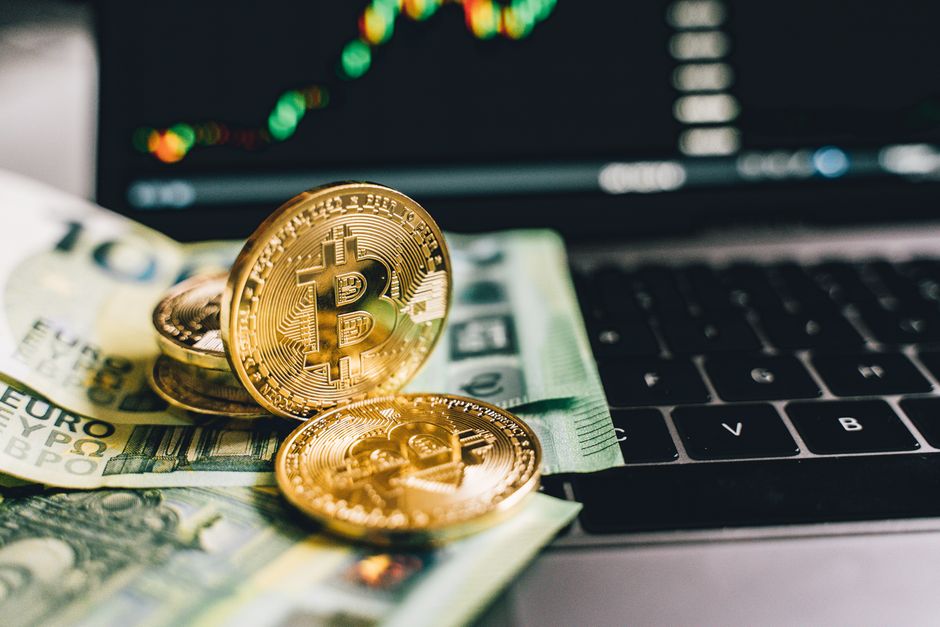
Gold hit $4,187 per troy ounce on Friday, a 4.10 percent single-session surge that underscores just how anxious global capital has become. Bitcoin climbed 6.66 percent to $62,456. The S&P 500 added 1.71 percent to close at 7,483, and the Nasdaq Composite pushed to 25,833, up 1.87 percent. For Kuala Lumpur investors watching all of this from a ringgit-denominated ledger, the message is layered: risk appetite is alive, but the scramble into gold suggests deep uncertainty about what comes next. WTI crude sliding 2.78 percent to $68.78 a barrel is a partial reprieve for Malaysian consumers, since cheaper oil typically softens pump prices and eases transport costs that weigh heavily on middle-income households in Petaling Jaya, Cheras and Bangsar.
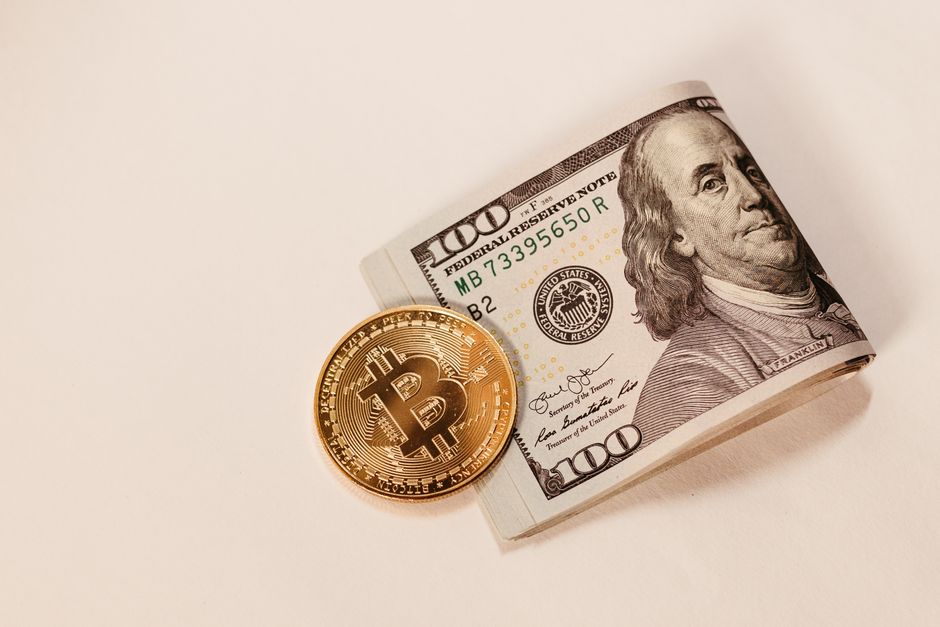
The EUR/USD rate firming to 1.1440 tells another part of the story. A stronger euro against the dollar tends to put modest upward pressure on the ringgit's trade-weighted position, which matters for anyone in KL carrying foreign-currency debt or holding global equity funds denominated in US dollars. Bursa Malaysia-listed exporters, particularly glove manufacturers and technology component suppliers in Shah Alam and Penang's industrial corridor, typically see margin pressure when the dollar softens. Investors in those counters should reassess their second-half earnings assumptions now.
The KL Household Budget Under the Microscope
Monthly fixed costs in Kuala Lumpur have climbed steadily since early 2025. A three-bedroom apartment in Mont Kiara now fetches between RM4,500 and RM6,000 per month in rent, according to property listings reviewed this week. Mortgage holders on variable-rate packages linked to the base lending rate have had less relief than they hoped. Bank Negara Malaysia has held its overnight policy rate at 3.00 percent for several consecutive meetings, which means households that borrowed at peak property prices in 2023 and 2024 are still servicing loans at elevated effective rates. If you took a 30-year housing loan of RM700,000 at an effective rate of 4.35 percent, your monthly instalment sits around RM3,490. Every basis point counts.
The single KL entrepreneur worth watching this month is Farah Dahlia Zainudin, founder of Simpan Bijak, a Bangsar South-based fintech platform she launched in March 2025 targeting gig-economy workers and contractual employees who fall outside conventional EPF contribution structures. Simpan Bijak has enrolled more than 38,000 users since its beta launch, offering micro-savings accounts that auto-round purchases to the nearest ringgit and redirect the surplus into a laddered fixed-deposit product. The platform negotiated aggregated FD rates of up to 4.10 percent per annum with two mid-tier domestic banks, beating the standard retail rate most Malaysians passively accept. Farah's insight was simple: salaried workers optimise their EPF contributions, but the 2.5 million Malaysians classified as self-employed or gig workers largely do not save systematically. Simpan Bijak addresses that gap directly, and its July 2026 product roadmap includes a gold-accumulation module, deliberately timed given bullion's historic run.
For Bursa investors, the gold price surge deserves close attention. Petronas-linked counters and plantation stocks have their own volatility drivers, but a handful of KL-listed gold producers and royalty-adjacent firms on Bursa have edged higher this week. Crude's decline is a net positive for Malaysia Airlines and Pos Malaysia, which carry significant fuel-cost exposure on their income statements. Investors rotating out of oil-heavy regional positions should note that the energy sector's softness may persist if demand forecasts from China and Europe continue to disappoint.
On the savings front, the practical priority for KL households right now is interest rate positioning. Maybank, CIMB and Public Bank all offer fixed-deposit promotions with tenures between three and twelve months. Locking in a twelve-month rate today, before any potential BNM adjustment later in the year, is a reasonable defensive move for funds you will not need before mid-2027. For emergency reserves, the standard guidance of three to six months of expenses remains non-negotiable, especially given how quickly job market conditions in KL's financial services and tech sectors shifted in the first quarter of 2026.
Bitcoin's 6.66 percent jump will tempt speculative KL retail investors. The appropriate position size for most middle-income households remains below five percent of investable assets. Gold, whether through Amanah Saham or physical accumulation accounts, offers a more transparent hedge. The data today, with gold and equities both rising while oil falls, reflects a market pricing in a soft-landing scenario with residual geopolitical risk. KL savers who build their July budget around that tension, not around a single headline number, will be better positioned when the second half of 2026 delivers its next surprise.