Gold hit US$4,187 per troy ounce on Friday, a single-day gain of 4.10 percent, and that number alone should stop every fund manager on Jalan Ampang in their tracks. The metal has become the clearest barometer of a market that is simultaneously jubilant and frightened: jubilant because the S&P 500 is up 1.71 percent to 7,483 and the Nasdaq Composite has climbed 1.87 percent to 25,833; frightened because investors are still piling into the oldest safe-haven asset on earth at these prices. For Kuala Lumpur businesses and investors with cross-border exposure, the divergence between soaring equities and surging gold is the single most important signal of the week.
The ringgit's position deserves immediate attention. The euro gained 0.47 percent against the dollar Friday, pushing EUR/USD to 1.1440, which reflects a broader softening of the greenback. A weaker dollar is historically constructive for emerging-market currencies including the ringgit, and it tends to ease the cost of servicing Malaysia's dollar-denominated corporate debt. Companies listed on Bursa Malaysia with significant USD liabilities, particularly those in the plantation and utilities sectors, should find some relief in the currency move, even if the benefit takes weeks to flow through to earnings statements.
Crude oil told a different story. WTI fell 2.78 percent to US$68.78 per barrel, its sharpest single-session decline in recent weeks. Malaysia remains a net energy exporter, and Petronas-linked counters on Bursa have historically moved in close sympathy with crude benchmarks. A sustained retreat toward the mid-US$60s would pressure upstream earnings at MISC Berhad and Dialog Group, two names closely watched by institutional desks in Kuala Lumpur. Malaysian government revenue projections embedded in Budget 2025 assumed oil prices comfortably above current levels, which means the Finance Ministry will be watching the crude slide with considerable attention as the mid-year fiscal review approaches.
Bitcoin's Jump and the Technology Premium
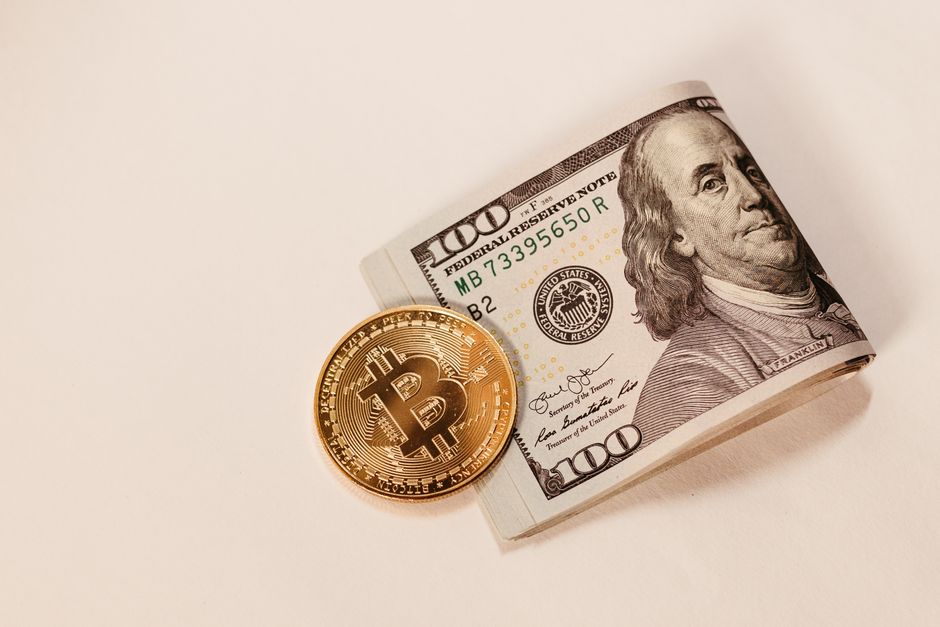
Bitcoin surged 6.66 percent to US$62,456, its strongest single-day move in months, and the timing matters. The Nasdaq's outperformance relative to the broader S&P 500 on Friday, driven by technology and semiconductor names, confirms that risk appetite is sharply focused on growth assets rather than value. For KL investors holding global technology funds through unit trusts or through the Employees Provident Fund's i-Invest platform, Friday's session was a good one. The question now is whether the Nasdaq's run, which has taken the index to 25,833, is pricing in an earnings cycle that justifies current multiples or whether it is running ahead of fundamentals heading into second-quarter reporting season in mid-July.
The gold story has a direct Malaysian dimension beyond portfolio allocation. The country's gold retail market, concentrated along Jalan Masjid India and through chains such as Tomei Consolidated, has seen sustained buying interest from retail investors throughout 2026. At US$4,187 per ounce, the local ringgit price of gold has reached levels that are testing the appetite of price-sensitive retail buyers while rewarding those who entered positions earlier in the year. Institutional investors who hold gold ETFs listed on Bursa, or who access the metal through CIMB or Maybank's structured product offerings, are sitting on substantial mark-to-market gains.
For Malaysian exporters, particularly those in the electrical and electronics sector which accounts for roughly 40 percent of the country's merchandise exports, the dollar's softness against major currencies is a double-edged development. Export receipts converted back to ringgit will shrink if the dollar weakens materially, even as the same currency move tends to attract foreign portfolio inflows into Malaysian equities and bonds. The Kuala Lumpur Composite Index has been sensitive to these foreign flow dynamics all year, and a prolonged dollar retreat could shift the balance of inflows toward local fixed income, particularly Malaysian Government Securities, rather than equities.
The macro picture entering the second half of 2026 is genuinely complex. Wall Street is surging, gold is at records, oil is dropping and Bitcoin is rallying all on the same day. That kind of multi-asset divergence typically signals a market in transition rather than one with a clear directional consensus. Kuala Lumpur businesses planning capital expenditure, hedging currency exposure or making decisions about overseas investment allocation cannot afford to treat Friday's moves as noise. The repricing across asset classes is happening fast, and the companies that build scenario planning around both a continued dollar decline and a potential crude oil recovery will be better positioned than those waiting for the picture to clarify.