Gold broke through $4,187 per troy ounce on Friday, a gain of more than four percent in a single session, while the S&P 500 climbed to 7,483 and the Nasdaq Composite surged past 25,833. For business owners and investors anchored in Kuala Lumpur, these are not abstract Wall Street numbers. They are signals that global capital is simultaneously chasing safety and risk, a contradictory combination that demands a rethink of how local firms hold reserves, price their contracts and service debt.
The ringgit faces a quiet but persistent squeeze. The euro gained nearly half a percent against the dollar to reach 1.1440, reflecting broad dollar softness. That dollar weakness should, in theory, support the ringgit, but KL treasurers cannot afford complacency. Businesses importing capital goods priced in euros, particularly manufacturers sourcing from Germany or Spain, will find their effective costs creeping up even as the dollar softens. Any company running unhedged euro payables over the next 90 days should be reviewing that exposure with its bank today.
WTI crude fell sharply to $68.78 a barrel, down 2.78 percent. For Petronas-linked suppliers and logistics operators on the Klang Valley's industrial corridors, cheaper oil is a double-edged figure. Fuel costs ease, which is welcome for fleet-heavy businesses. But downstream, the revenue assumptions baked into capital expenditure plans for the second half of 2026 may need revisiting if crude continues to retreat. Small and mid-cap companies listed on Bursa Malaysia's energy and plantation sectors should treat this as a stress-test moment for their forward projections, not a windfall.
Budgeting and Borrowing: The Practical Calculus for July 2026
Mortgage holders in Kuala Lumpur are operating under Bank Negara Malaysia's Overnight Policy Rate, which has held firm through the first half of 2026. Floating-rate borrowers should not assume that global equity exuberance translates into domestic rate cuts. Central banks globally remain cautious. The smarter play for anyone renewing a home loan on properties in Mont Kiara, Bangsar South or the Damansara corridor is to lock in a fixed-rate tranche now rather than gamble on further easing. Typical Malaysian home loan packages still allow partial fixed-rate structures; the margin between fixed and variable has narrowed enough to make the certainty worth paying for.
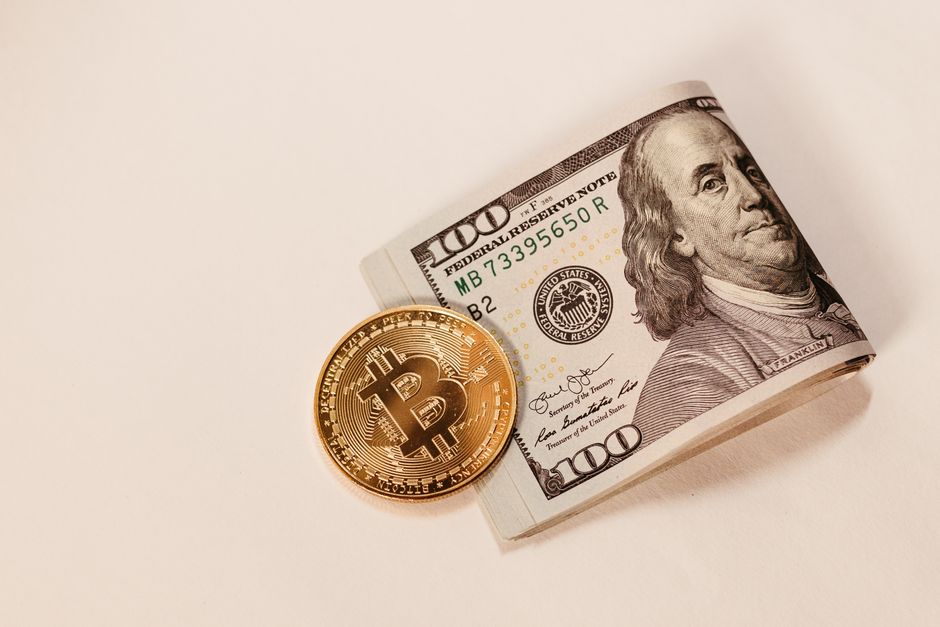
Savings strategy also needs updating. With Bitcoin jumping 6.66 percent to $62,456 on Friday alone, retail investors through platforms licensed under the Securities Commission Malaysia are watching digital assets with renewed attention. The volatility cuts both ways. A position that gains that much in one day can surrender it equally fast. Financial planners in KL consistently flag that no more than five percent of a liquid portfolio should sit in assets with that kind of daily range, and that guidance remains sound regardless of the headline print.
For businesses managing working capital, the equity rally in New York creates an indirect funding opportunity. Malaysian companies with subsidiaries or joint ventures listed in the United States or Singapore can use elevated equity valuations to explore secondary placements or refinance shareholder loans at more favourable terms. The window may be narrow. Markets pricing in near-perfection on growth tend to correct on any single data disappointment, and the US labour market report due next week is one such tripwire.
On the cost-of-living front, KL households should note that cheaper crude does not immediately translate into lower petrol prices at the pump given the government's managed pricing mechanism under RON95 subsidies. The grocery basket is a different story; imported food costs tied to shipping fuel will ease gradually over the third quarter. Families budgeting for August and September school-term expenses should still factor in sticky prices on processed food, personal care goods and electronics, where supply chains price on a lag. Reviewing fixed monthly outgoings, consolidating high-interest consumer credit under a single personal loan at a lower rate, and directing any salary increment toward an ASB-equivalent high-yield instrument such as a Tabung Haji or ASNB unit trust remains the most reliable path to building a buffer against the market's current uncertainty.
The headline number to keep front of mind is gold at $4,187. It is telling you something important: professional money is hedging against something, even as it bids up technology stocks. KL businesses that treat this Friday's snapshot as permission to take on more risk should look again. The smart move is to use the rally to reduce expensive debt, extend cash runways and review any contracts denominated in currencies that are moving fast.