Gold hit $4,187 per troy ounce on Friday, a gain of more than four percent on the day. That headline number will get attention. But traders with long memories know that when gold surges while crude oil slides, as WTI did this session to $68.78 a barrel, down nearly three percent, the market is not celebrating growth. It is hedging against the absence of it. Into that tension steps copper, the industrial metal that has no political constituency, no central bank buyer, and no narrative value, only the cold arithmetic of whether factories and construction sites are consuming it. Right now, copper's trajectory is among the most consequential data points for Kuala Lumpur-listed companies with upstream mining and downstream electrical exposure.
Malaysia is not a major copper producer, but that understates the metal's relevance to Bursa Malaysia. The FBM KLCI carries meaningful weight in power infrastructure, cables and construction materials, sectors where copper pricing feeds directly into margin calculations. Companies such as Prysmian's local competitors in the cable manufacturing space, as well as property-linked building materials suppliers, watch copper closely because input cost assumptions get baked into project bids months in advance. A prolonged softness in copper prices compresses the revenues of upstream suppliers globally, but it also reduces input costs for Malaysian fabricators, creating a bifurcated effect that investors too often treat as uniformly bearish or bullish.
The Dollar, the Ringgit, and What the EUR/USD Move Means
Friday's currency moves add another layer. The euro strengthened against the US dollar to 1.1440, up 0.47 percent, continuing a run that reflects a softer dollar index broadly. For ringgit-denominated investors, a weaker dollar matters because copper, like most industrial commodities, is priced in US dollars. A sliding greenback historically provides a floor under dollar-denominated commodity prices, because buyers holding stronger local currencies can afford to pay more. Malaysian institutional investors, including the Employees Provident Fund and Permodalan Nasional Berhad, which hold global equities as part of their diversified mandates, benefit when the dollar softens against a basket of currencies, since it flatters the ringgit value of overseas holdings on repatriation.
The equity side of the ledger told a clearer story Friday. The S&P 500 climbed 1.71 percent to 7,483 while the Nasdaq Composite added 1.87 percent to close at 25,833. Technology and growth stocks led, which historically correlates with appetite for copper-intensive sectors, given that data centres, electric vehicles and renewable energy infrastructure are all enormous consumers of the red metal. The global push toward AI compute infrastructure alone, which requires copper-intensive server racks, cooling systems and power distribution, has created a structural demand argument that sits beneath the cyclical noise. Analysts at several major banks have spent much of 2026 revisiting their long-term copper demand forecasts upward precisely because of this dynamic.
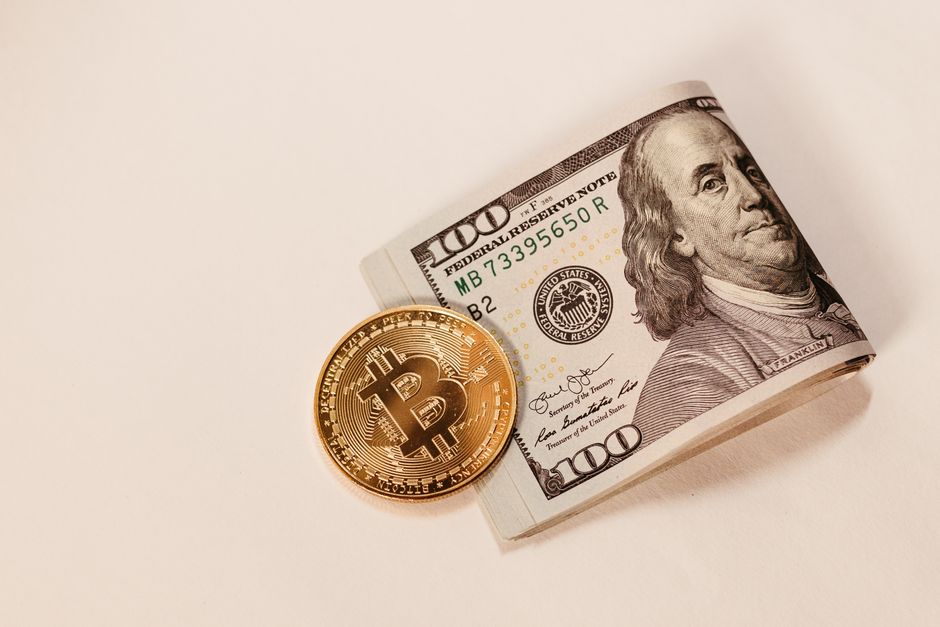
Bitcoin's 6.66 percent surge to $62,456 on Friday is less directly connected to copper fundamentals, but it tracks a broader risk-on sentiment that, when sustained, tends to support industrial commodities. Speculative capital rotating into high-beta assets is the same capital that eventually finds its way into commodity futures. The pattern is not mechanical, but it is reliable enough that Malaysian traders monitoring Bursa-listed resource counters should note the alignment across Bitcoin, equities and the dollar this session.
The concern, and it is a legitimate one, centres on oil. WTI crude falling to $68.78 per barrel is a demand signal, not a supply story. OPEC-plus production adjustments have been well telegraphed, which means an oil price this soft, despite those cuts, implies that the global growth consensus for the second half of 2026 is shakier than equity markets are currently pricing. Copper, which has no cartel and no sovereign price manager, will be the purer read. If copper firms in the weeks ahead despite oil's softness, that would suggest the green economy transition is driving a structural demand wedge between legacy energy and industrial metals. If copper follows oil lower, that is a recessionary signal that will eventually reach Bursa's construction and infrastructure counters regardless of what Wall Street is doing on any given Friday.
For Kuala Lumpur investors, the practical takeaway is this: watch the copper-to-gold ratio. When the ratio falls, meaning gold is gaining faster than copper, markets are pricing fear over growth. That ratio has been declining. It does not require repositioning out of equities immediately, but it does argue for scrutinising which holdings assume uninterrupted global industrial demand. Malaysian unit trust holders in global balanced funds, EPF contributors in Account 3 and retail investors on Bursa with exposure to construction materials or cables manufacturing should be asking their advisers that question before the next quarter's results arrive.